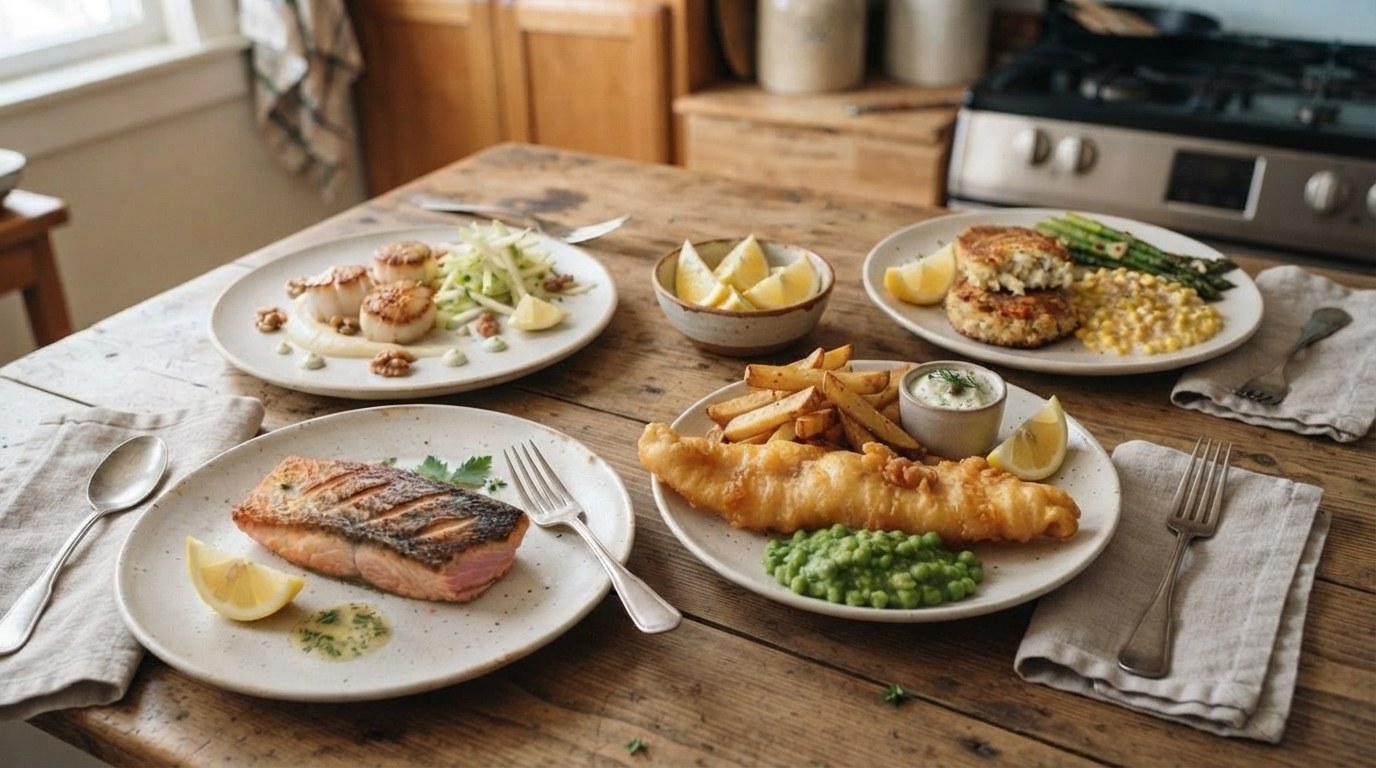
These Gordon Ramsay fish recipes cover the seafood dishes he is known for, each with its own full recipe on this site: crispy skin salmon, pan seared halibut, beer-battered fish and chips, Hell's Kitchen scallops, lobster risotto, lobster spaghetti and ten more. Below, every dish gets a short summary of how it's cooked, the temperature to pull it at and how long it takes, with a link to the complete recipe.
Most of them run on one method. Gordon Ramsay heats the pan before the oil goes in, uses olive oil for fish, dries and salts the fish before it cooks, leaves it alone until it releases, and takes it off the heat earlier than most home cooks expect. Learn that once on the salmon and the rest of the list gets easier, which is why several of these double as easy fish recipes for a weeknight.
Gordon Ramsay Fish Recipes at a Glance
The quickest Gordon Ramsay fish recipes here take 10 to 20 minutes (garlic butter shrimp, crispy skin salmon, sesame-crusted tuna), the fried dishes take 35 to 55 minutes, and the lobster risottos and pasta need 75 to 90 minutes because they start with a stock made from the shells. Use the table to pick by time, by fish, or by how the dish is cooked, then follow the link to the recipe.
| Dish | Fish or shellfish | Technique | Time | Difficulty | Doneness cue |
|---|---|---|---|---|---|
| Crispy skin salmon | Salmon fillet, skin on | Pan-seared, 90% skin side down | 18 min | Easy | 120 to 125°F pink, 145°F opaque |
| Pan seared halibut | Halibut fillet | Seared, butter-basted | 35 min | Medium | Pull at 120°F, rests to 130°F |
| Pan-fried red snapper | Red snapper, skin on | Pan-fried in oil and butter | 90 min (beets roast) | Easy | Opaque, flakes with a fork |
| Sesame-crusted tuna | Sushi-grade tuna | Seared 30 sec a side | 20 min | Easy | Crust set, center rare |
| Fish and chips | Cod or haddock | Beer-battered, deep-fried | 55 min | Medium | 145°F, flakes |
| Fish & crisps sandwich | Branzino fillet | Beer-battered, deep-fried | 45 min | Medium | 145°F |
| Salmon cakes | Fresh or canned salmon | Shallow-fried patties | 36 min | Easy | 160°F in the center |
| Crab cakes | Lump and backfin crab | Pan-fried | 70 min | Medium | Golden, hot all the way through |
| Hell's Kitchen scallops | Dry-packed sea scallops | Hard sear, clock-face order | 60 min | Medium | Pull at 115°F (FDA: 145°F) |
| Garlic butter shrimp | Large shrimp | Seared in butter | 10 min | Easy | Opaque, loose C shape |
| Lobster tail | Lobster tails | Broil, boil, steam, bake or grill | 19 min | Easy | 135 to 140°F, rests to 145°F |
| Lobster risotto | Whole lobster | Risotto in shell stock | 75 min | Hard | Lobster only warmed at the end |
| Butternut squash lobster risotto | Lobster tails | Risotto, butter-poached lobster | 90 min | Hard | Lobster off at 140°F |
| Shrimp and scallop risotto | Shrimp and scallops | Seared, folded into risotto | 45 min | Medium | Seafood opaque; rice al dente |
| Lobster spaghetti | Whole lobster | Boiled, creamy tomato sauce | 75 min | Medium | Lobster boiled to 140°F |
| King crab capellini | King crab meat | Angel hair, white wine and lime | 30 min | Easy | Crab just warmed through |
If you are new to cooking fish, start with the salmon or the shrimp: both are under 20 minutes and teach the two moves the harder dishes depend on, a dry surface in a hot pan and pulling the fish before it looks finished. Save the risottos for a weekend, since the stock takes as long as the rice.
How Gordon Ramsay Cooks Fish
Gordon Ramsay cooks fish in a hot pan with olive oil, on a fillet that has been patted dry and seasoned before it goes in, and he leaves it undisturbed until it releases on its own. For skin-on fish he scores the skin, salts it, lays it away from him, presses it flat and keeps it skin side down for about 90% of the cooking time, then serves it skin side up. In his MasterClass he calls the skin a protective layer for the flesh while it crisps.
The dry surface matters because of two numbers. Browning (the Maillard reaction, which C&EN credits for a sear's flavor and aroma) starts at about 284°F, but water can't get hotter than 212°F, so a wet fillet or a damp scallop steams pale while the inside overcooks. That is also why the pan comes up to heat before the oil and why the fish goes in without crowding: too many pieces at once drop the pan back toward 212°F and the surface simmers in its own juices.
The early pull comes from the fish itself. Fish proteins start to set at around 104 to 122°F, well below the 122 to 140°F range for beef, and a calorimetry study of herring muscle measured myosin, the main muscle protein, denaturing at about 104°F. Fish also carries very little collagen, which is why it flakes apart instead of turning tough. The result is a narrow window: a few degrees past done and the fibers squeeze out their moisture. Carryover heat keeps cooking a fillet after it leaves the pan, so the recipes below pull it a little short and let the rest finish it.
The safety line is 145°F. The FDA recommends cooking most seafood to that internal temperature, and without a thermometer it says fish should separate easily with a fork, while shrimp, scallops, crab and lobster turn firm, pearly and opaque. Several of our recipes give a lower chef's pull (120°F for halibut, 115°F for scallops) for fish from a trusted source. That is a texture choice for healthy adults. The FDA advises pregnant women, young children, older adults and anyone with a weakened immune system to avoid undercooked fish, so cook theirs to 145°F. An instant-read thermometer makes both targets easy to hit.

ThermoPro
ThermoPro TempSwift Instant-Read Digital Thermometer
- Reads in about 1 second, accurate to ±0.9°F, with a 4.3-inch food-grade stainless probe
- Hold and calibration functions, so you can lock a reading away from the heat
- NSF certified and IP65 waterproof, rinse it clean under the tap
Pan-Seared Fish Fillets
Pan-seared fillets are the core of Gordon Ramsay's fish cooking and the fastest recipes in this collection: 20 to 35 minutes each, one pan, and a crust that comes from a dry surface in hot oil. Salmon and snapper cook skin side down to crisp the skin; halibut and tuna are seared on the flesh. Pick salmon for the most forgiving fillet and halibut when you want a leaner, white fish.
Crispy Skin Salmon

Gordon Ramsay's crispy skin salmon is the method to learn first: dry the fillet, score and salt the skin, press it flat in a hot pan and cook it skin side down for most of its 6 to 7 minutes, then flip it for a few seconds to kiss the flesh. Pull it at 120 to 125°F for a pink center or 145°F for fully opaque. The whole dish, with butter and lemon, takes 18 minutes.
Full recipe: Crispy Skin Salmon (18 minutes, serves 4)
Pan Seared Halibut with Lemon Beurre Blanc
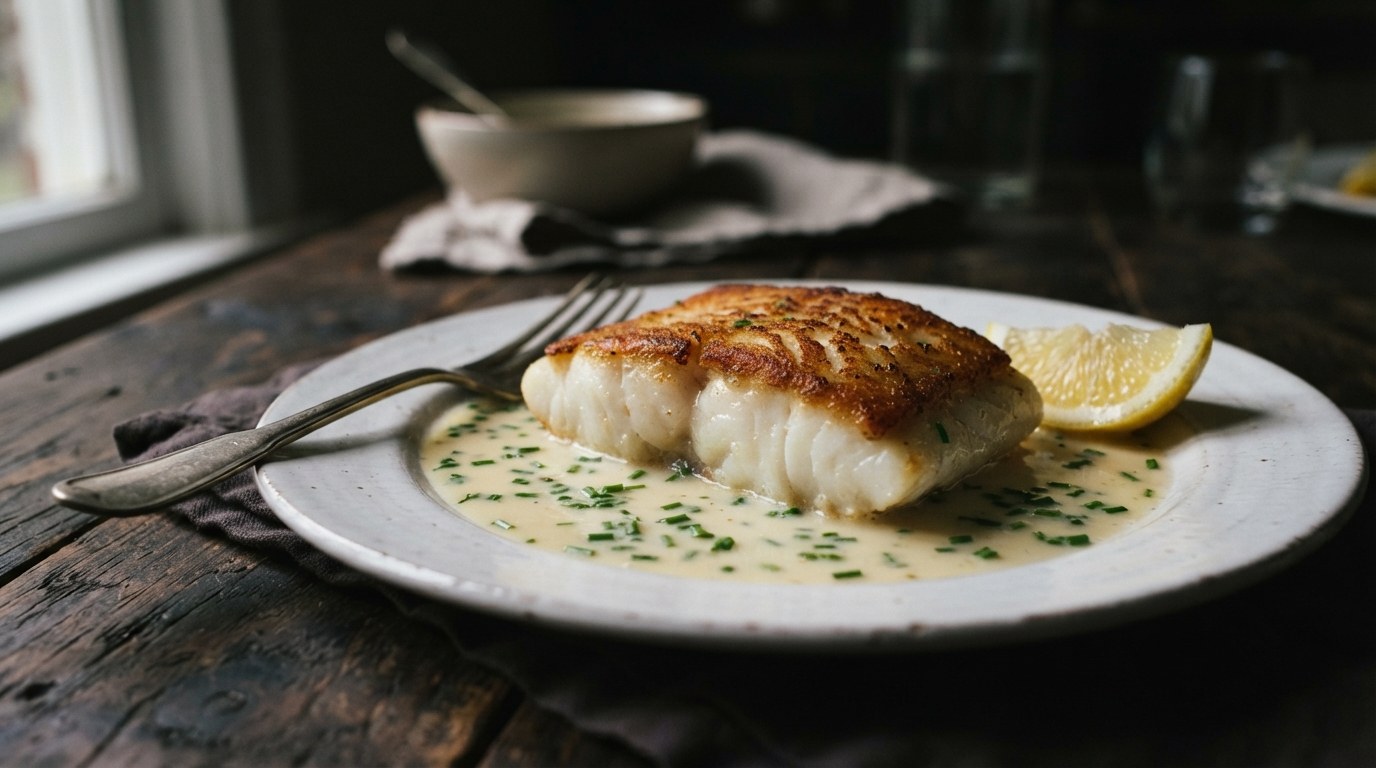
Pan seared halibut is salted early and patted dry, seared in olive oil until the crust is deep gold, then flipped and basted with foaming butter, garlic and thyme. It comes out at 120°F and carryover takes it to about 130°F on the plate. Halibut is lean, with almost no fat to cushion an overcook, so this is the recipe where a thermometer pays off most. A five-minute lemon beurre blanc goes underneath, and the whole plate takes 35 minutes.
Full recipe: Pan Seared Halibut (35 minutes, serves 4)
Pan-Fried Red Snapper with Beets and Grapefruit
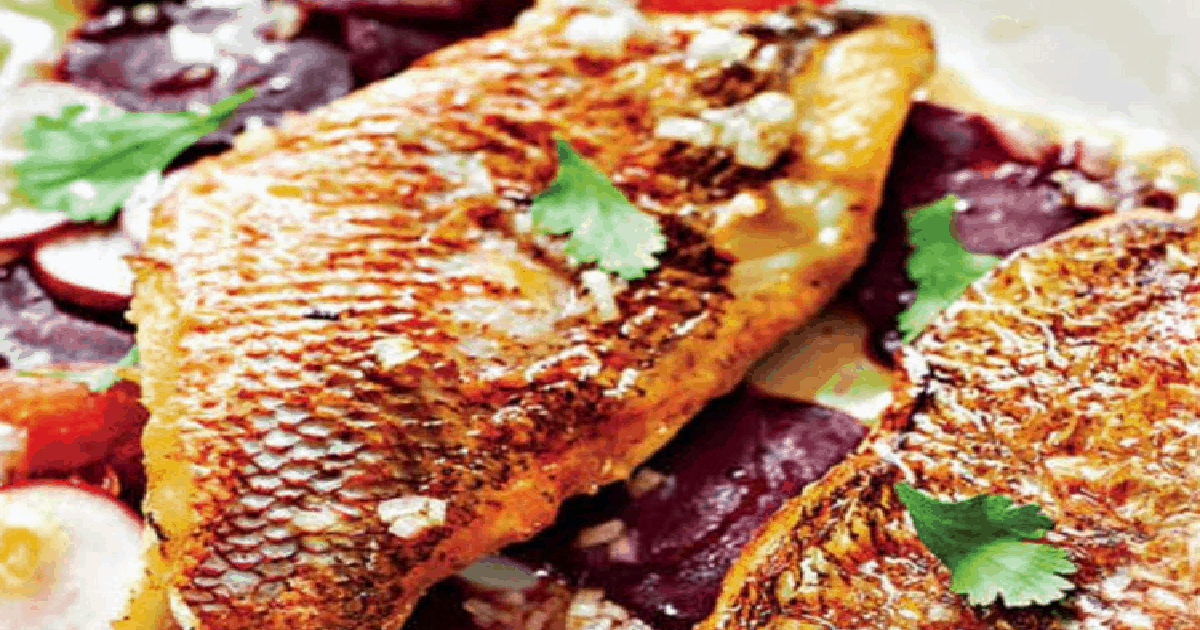
Pan-fried red snapper goes skin side down into olive oil and butter over medium-high heat for about 3 minutes, until the skin is golden, then 2 minutes on the flesh side until the fish is opaque and flakes. It sits on roasted baby beets (375°F for 45 to 60 minutes, which is most of the 90-minute total) with a pink grapefruit dressing whisked into an emulsion with olive oil. Roast the beets a day ahead and it becomes a 15-minute dinner.
Full recipe: Pan-Fried Red Snapper (90 minutes, serves 4)
Sesame-Crusted Tuna with Soba Noodles
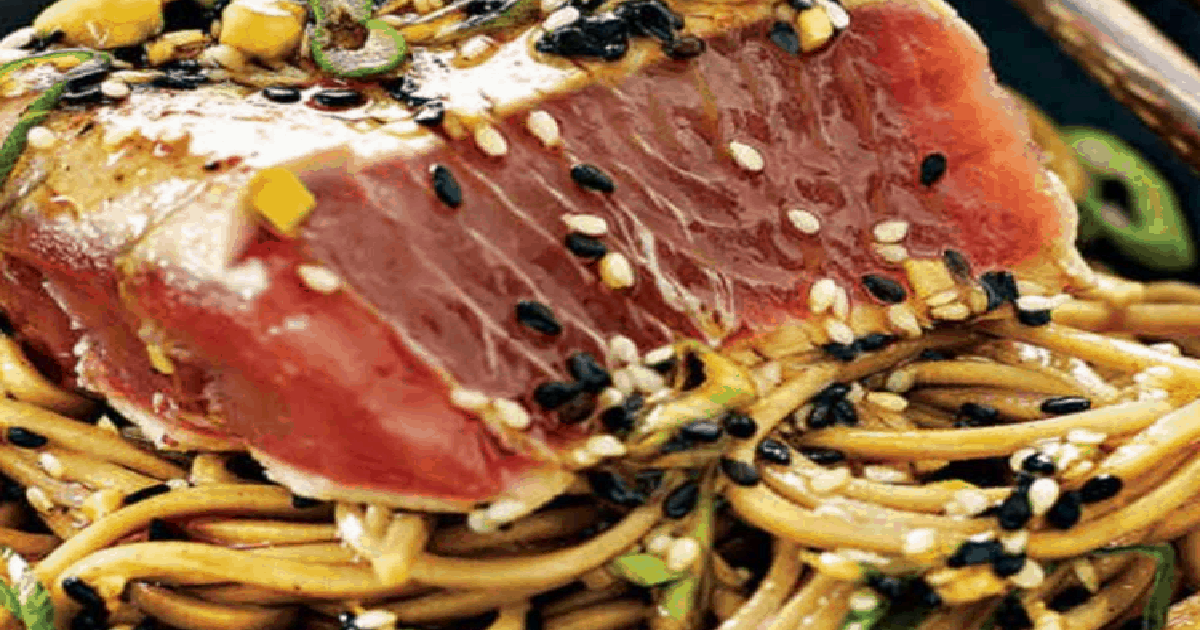
Sesame-crusted tuna is sushi-grade tuna brushed with egg wash, pressed into sesame seeds and seared in grapeseed oil with a little butter for about 30 seconds a side, so the seeds toast and the center stays rare. It's sliced over soba noodles tossed in a soy, rice vinegar, honey and ginger dressing, 20 minutes in all. Because the middle is served rare, buy tuna sold for raw eating; the FDA notes freezing kills parasites, which is why sushi-grade fish is usually previously frozen.
Full recipe: Pan Seared Sesame Crusted Tuna (20 minutes, serves 4)
Battered Fish, Fish Cakes and Crab Cakes
Gordon Ramsay's fried fish dishes depend on oil temperature: a cold, light batter hits oil at 350 to 375°F and the water in it flashes to steam, puffing the coating while the fish inside cooks gently to 145°F. Oil that is too cool lets the batter soak up fat before it sets, which is the usual reason home fish and chips turn out greasy. The fish cakes and crab cakes are shallow-fried, so the rule there is a chilled patty and shimmering oil.
Gordon Ramsay Fish and Chips
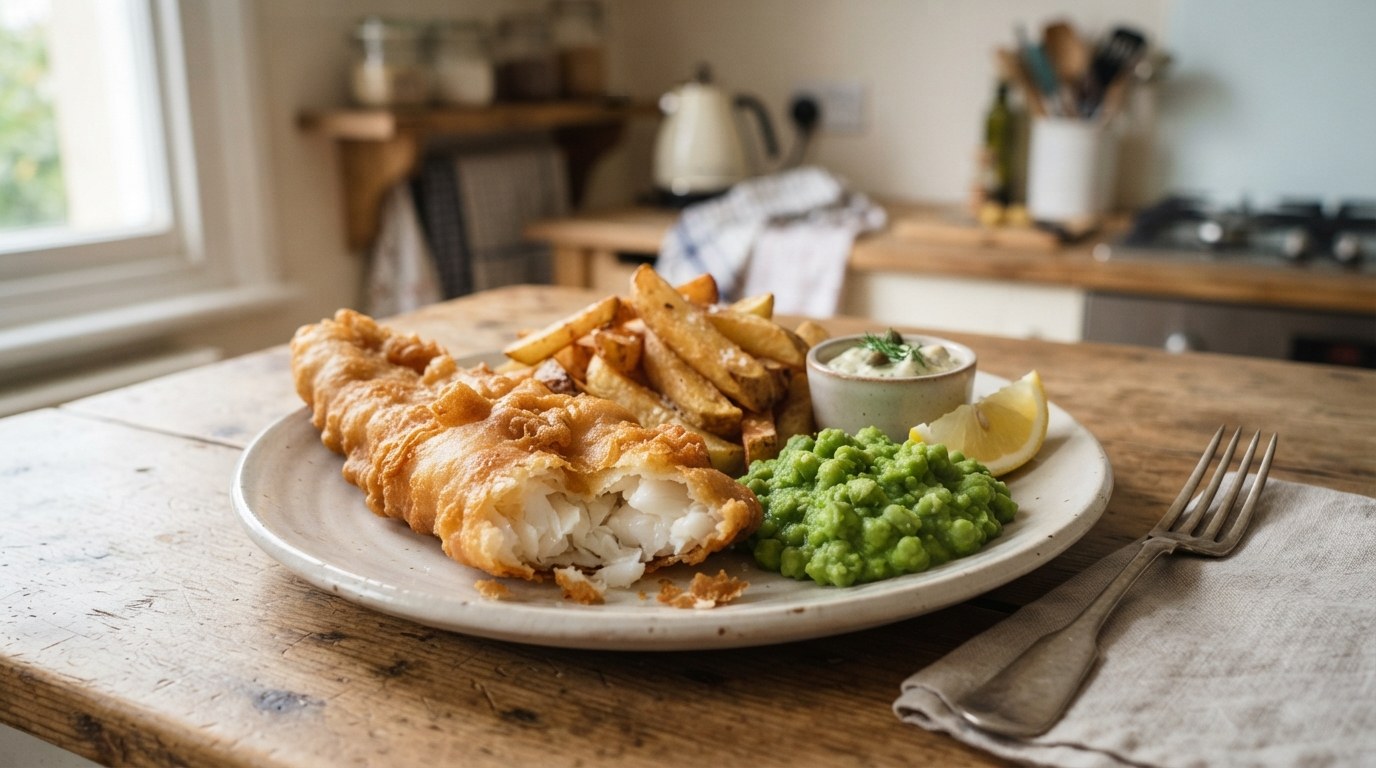
Gordon Ramsay fish and chips is thick cod or haddock in a cold, barely mixed batter of self-raising flour, cornflour and sparkling beer, fried at 350 to 375°F for 4 to 6 minutes until the fish flakes at 145°F. The chips are fried twice: first at 265 to 285°F until soft, so the starch inside cooks through, then at 350 to 375°F to crisp and brown the outside. Mushy peas and a quick tartare finish the plate in 55 minutes. Haddock is a good pick: NOAA Fisheries rates U.S. wild-caught haddock a smart seafood choice and reports neither stock is overfished.
Full recipe: Gordon Ramsay Fish and Chips (55 minutes, serves 4)
Fish & Crisps Sandwich
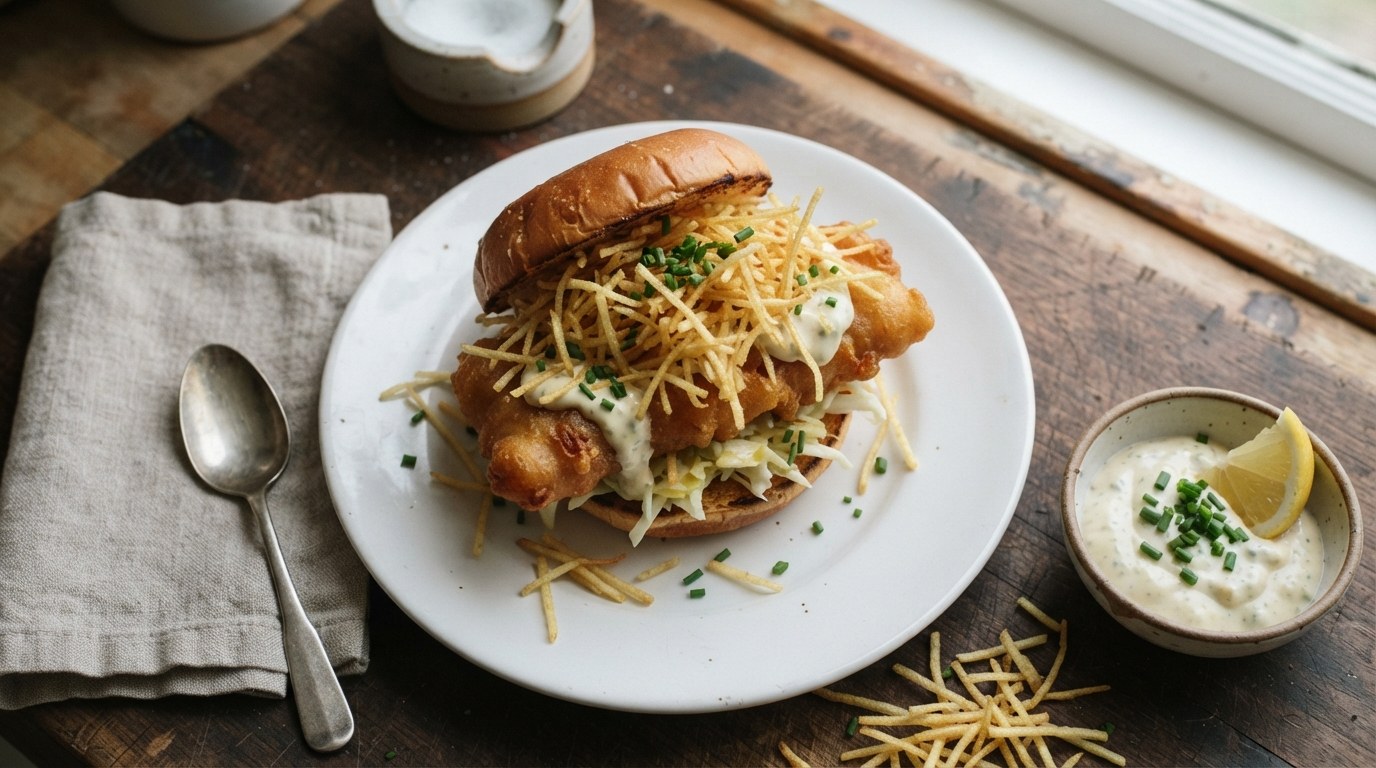
The Fish & Crisps sandwich is fish and chips stacked into a brioche bun, the way it's served at Gordon Ramsay Burger: a beer-battered branzino fillet fried at 360 to 375°F to 145°F, a citrus tartar, lemony cabbage slaw and a pile of salt and vinegar straw potatoes fried at 325°F. Rinsing the potato matchsticks washes off surface starch so they crisp instead of clumping. It takes 45 minutes for two sandwiches.
Full recipe: Gordon Ramsay Fish & Crisps Sandwich (45 minutes, serves 2)
Salmon Cakes with Gochujang Aioli
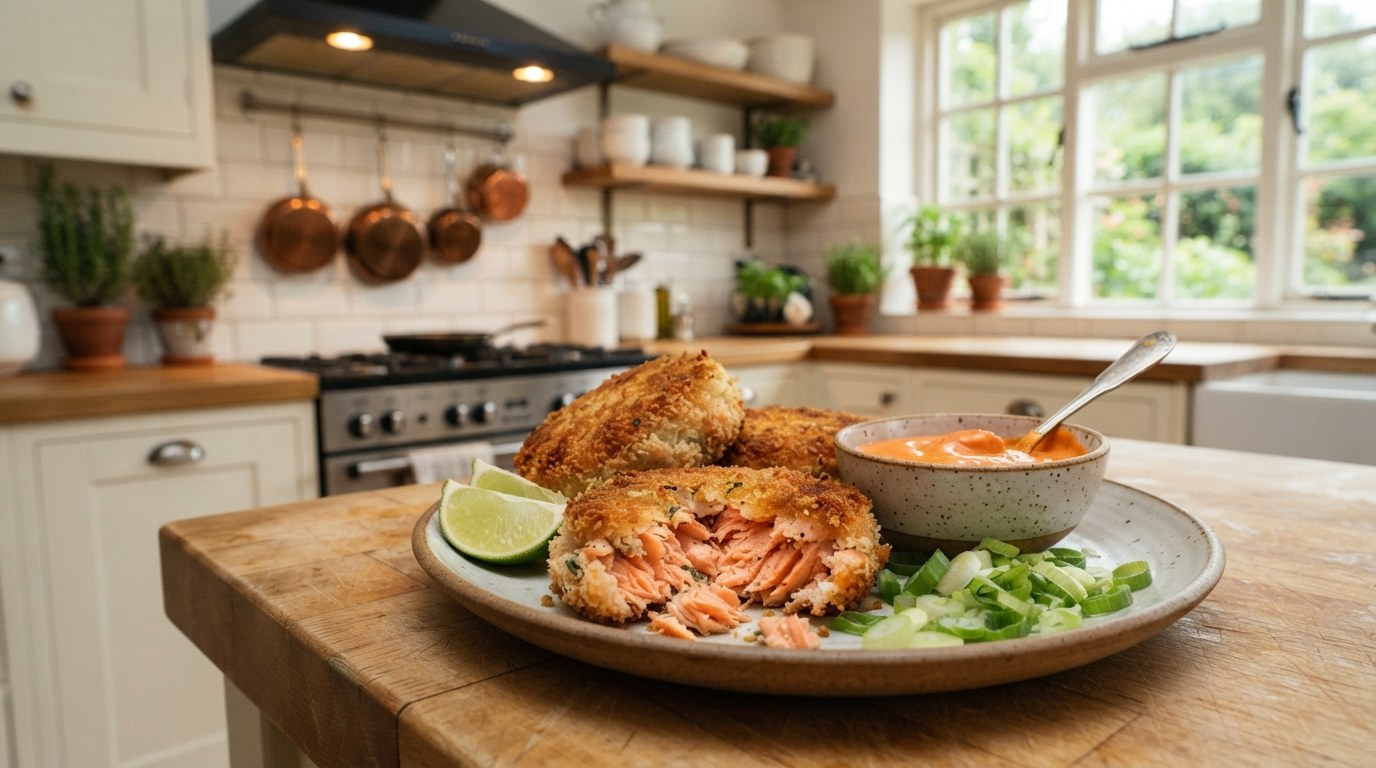
These salmon cakes hold together because a quarter of the salmon is pulsed into a sticky paste that glues the chopped pieces, the same way salted ground meat binds. The patties chill for 30 minutes, then shallow-fry 3 to 4 minutes a side until deep golden and 160°F in the center (the egg in the mix is why the target is higher than for a plain fillet). Fresh or canned salmon both work, and the sweet-hot gochujang aioli is the pairing that scored a perfect 5 on the Hell's Kitchen Season 25 premiere.
Full recipe: Salmon Cakes with Gochujang Aioli (36 minutes, serves 4)
Crab Cakes with Creamed Corn and Asparagus
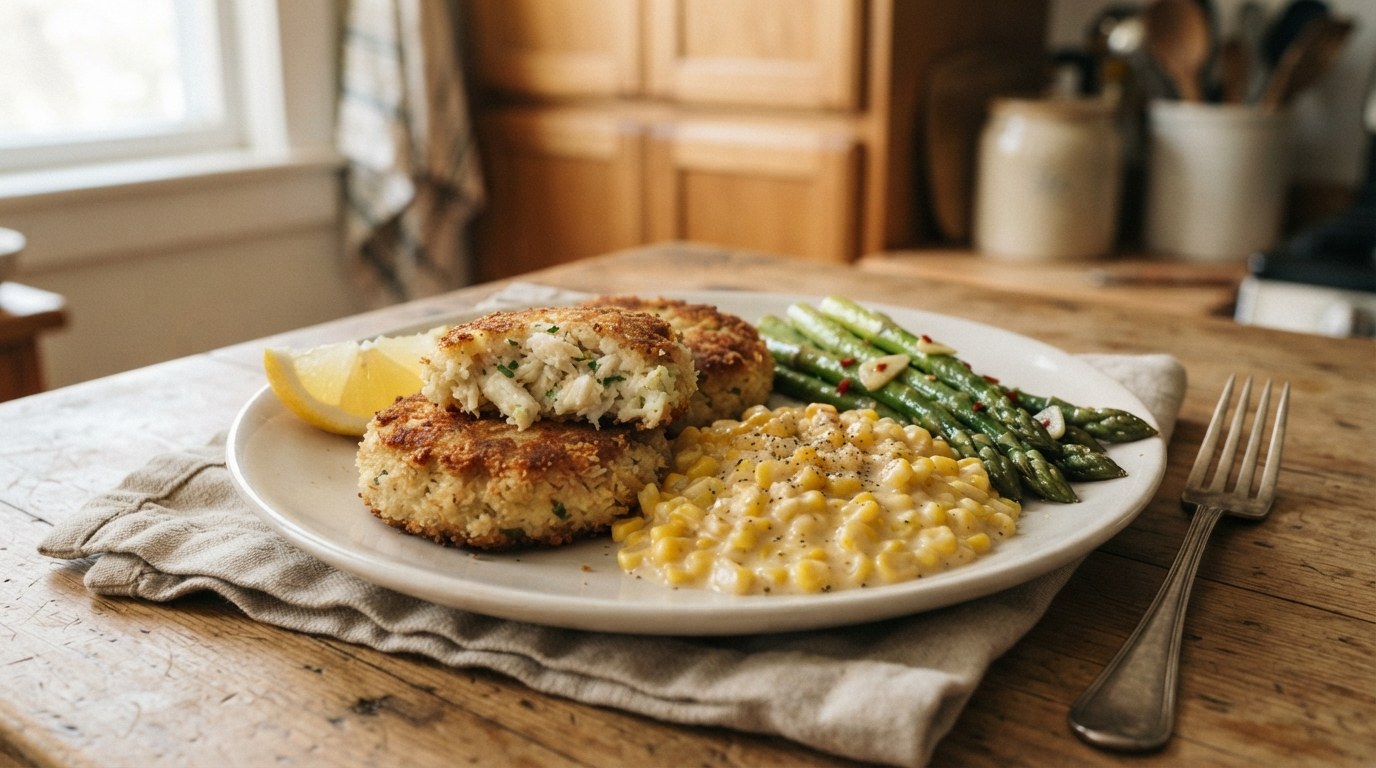
Gordon Ramsay's crab cakes mix lump and backfin crabmeat with sautéed shallot and garlic, panko, mayonnaise, chives, lemon zest and a dash of Tabasco, then pan-fry over medium heat until golden on both sides. Crabmeat is sold cooked, so the pan is there to brown the crust and heat the cake through; a medium flame keeps the panko from scorching before the center is hot. Creamed corn and garlicky asparagus go alongside, 70 minutes for the full plate.
Full recipe: Gordon Ramsay Crab Cakes (70 minutes, serves 4)
Every fried dish above wants the same sauce. Our Gordon Ramsay tartar sauce loosens mayonnaise with crème fraîche and adds gherkins, capers, shallot, herbs and lemon; it takes 10 minutes and tastes better after 30 in the fridge.
Scallops, Shrimp and Lobster
Shellfish cooks even faster than fish fillets, so these recipes are about stopping on time: scallops sear in under four minutes, shrimp in three, and lobster turns rubbery once it goes much past 145°F. The FDA's no-thermometer sign for all three is flesh that has turned firm, pearly and opaque.
Hell's Kitchen Pan-Seared Scallops
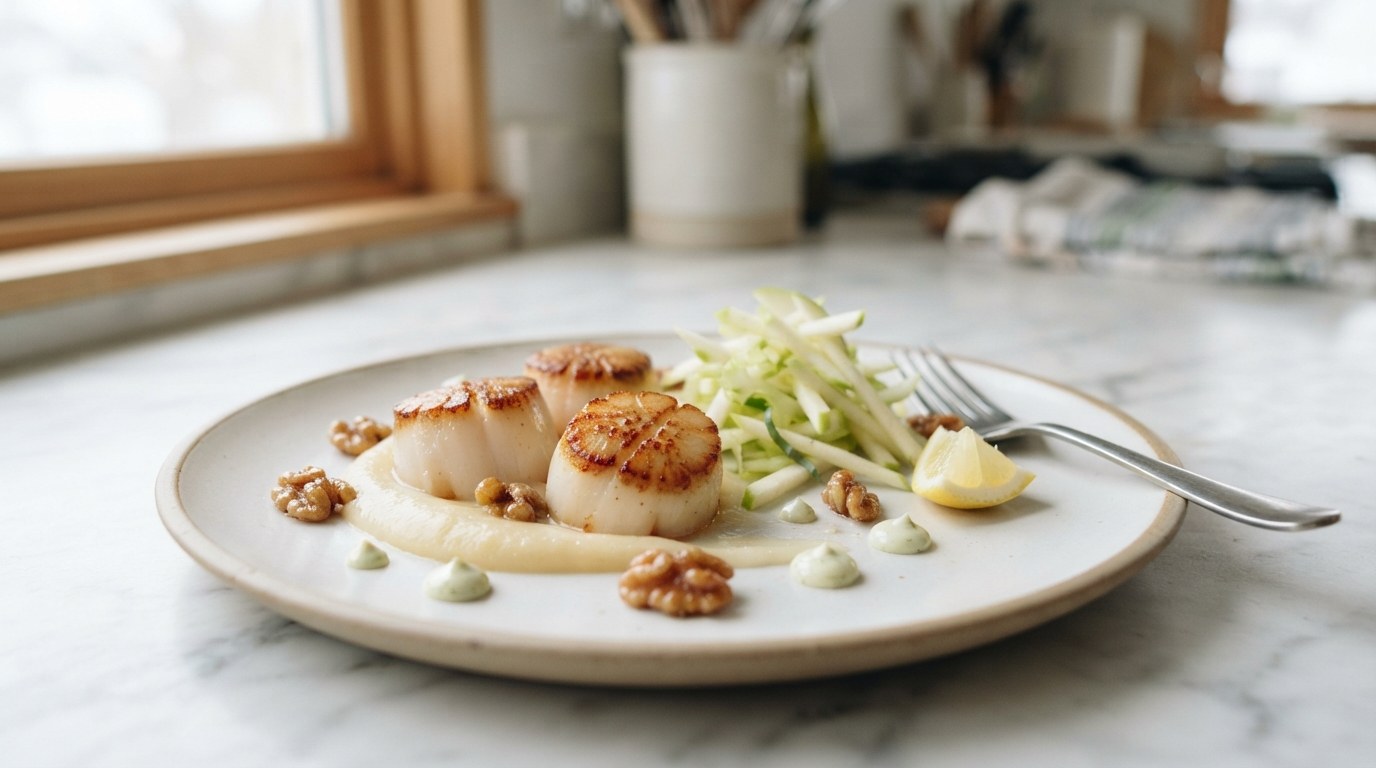
Hell's Kitchen scallops are dry-packed U-10 sea scallops, patted dry and laid into a smoking-hot pan in clock-face order so you know which to flip first, then finished in about 90 seconds with butter and lemon and pulled at 115°F. Dry-packed matters: wet-packed scallops weep water in the pan, and a wet scallop can't get past 212°F to brown, so it steams gray. Ramsay's rule is to never soak scallops in water. They're plated on apple purée with tarragon mayonnaise and candied walnuts; allow 60 minutes for the garnishes.
Full recipe: Hell's Kitchen Scallops (60 minutes, serves 4)
Garlic Butter Shrimp

Garlic butter shrimp is the easiest recipe on this list, 10 minutes start to finish: garlic goes into foaming butter for 30 seconds, the dried shrimp sear undisturbed for 2 minutes, flip for 1 to 2 more until opaque and curled into a loose C, and the lemon goes in off the heat. A tight O means overcooked. Serve it over linguine for a full dinner.
Full recipe: Garlic Butter Shrimp (10 minutes, serves 4)
Lobster Tail, Five Ways
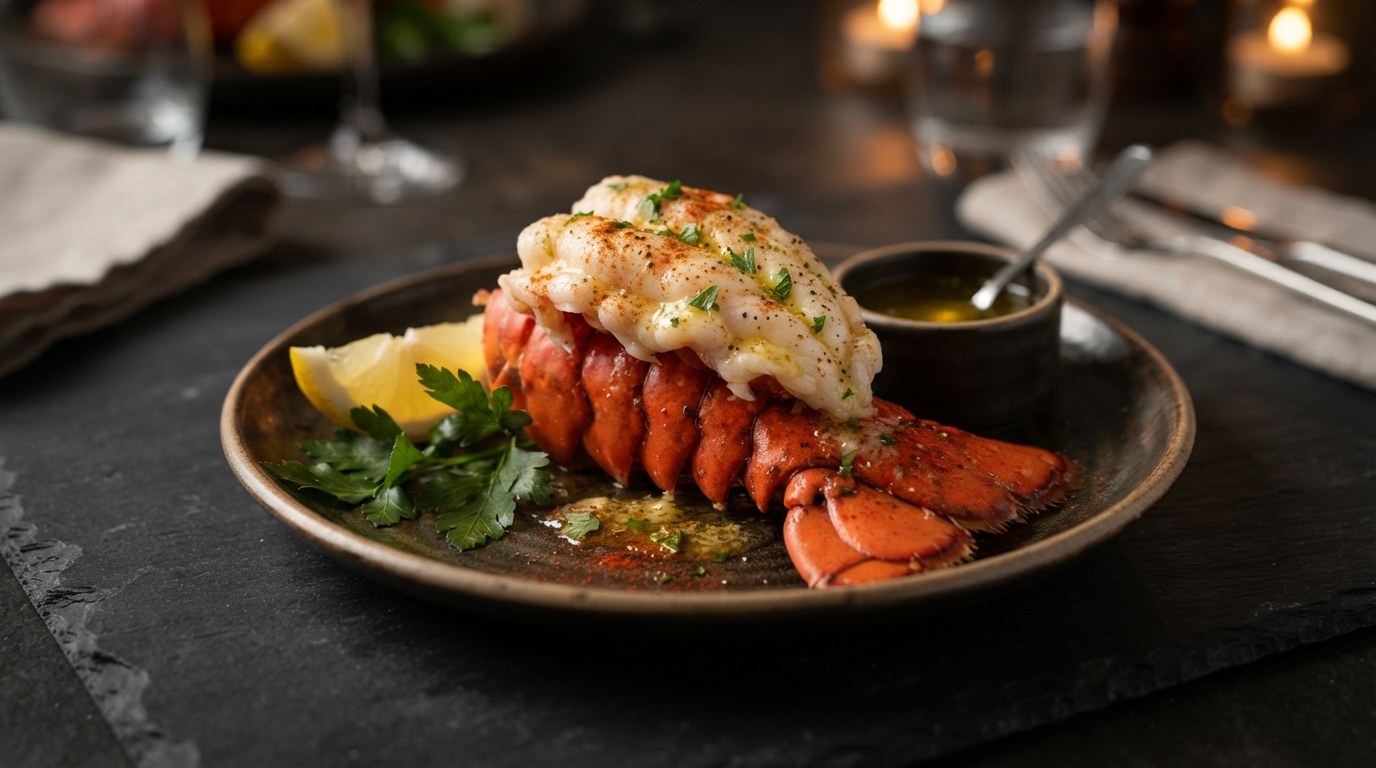
Our lobster tail guide covers boiling, steaming, baking, broiling and grilling, with broiled garlic-butter tails as the headline. Whichever method you use, pull the tail at 135 to 140°F in the thickest part and rest it; carryover takes it to 145°F, and past that the proteins tighten and squeeze out moisture, which is what makes lobster rubbery. For whole lobsters, our guide to cooking and shelling a whole lobster gets every piece of meat out of the claws, knuckles and legs, and the shells go on to become stock for the risotto and pasta below.
Full recipe: How to Cook a Lobster Tail (19 minutes, serves 2)
Gordon Ramsay Seafood Pasta and Risotto
Gordon Ramsay's seafood risottos and pastas cook the seafood separately and bring it back at the end, so the rice or pasta gets its full time and the lobster or shrimp only warms through. The flavor comes from the liquid: the lobster dishes start with a quick stock made from the shells, which is the waste-nothing habit he teaches. Rice starch gelatinizes at around 150°F, and adding hot stock a ladle at a time while stirring rubs that starch off the grains into the creamy sauce.
Lobster Risotto
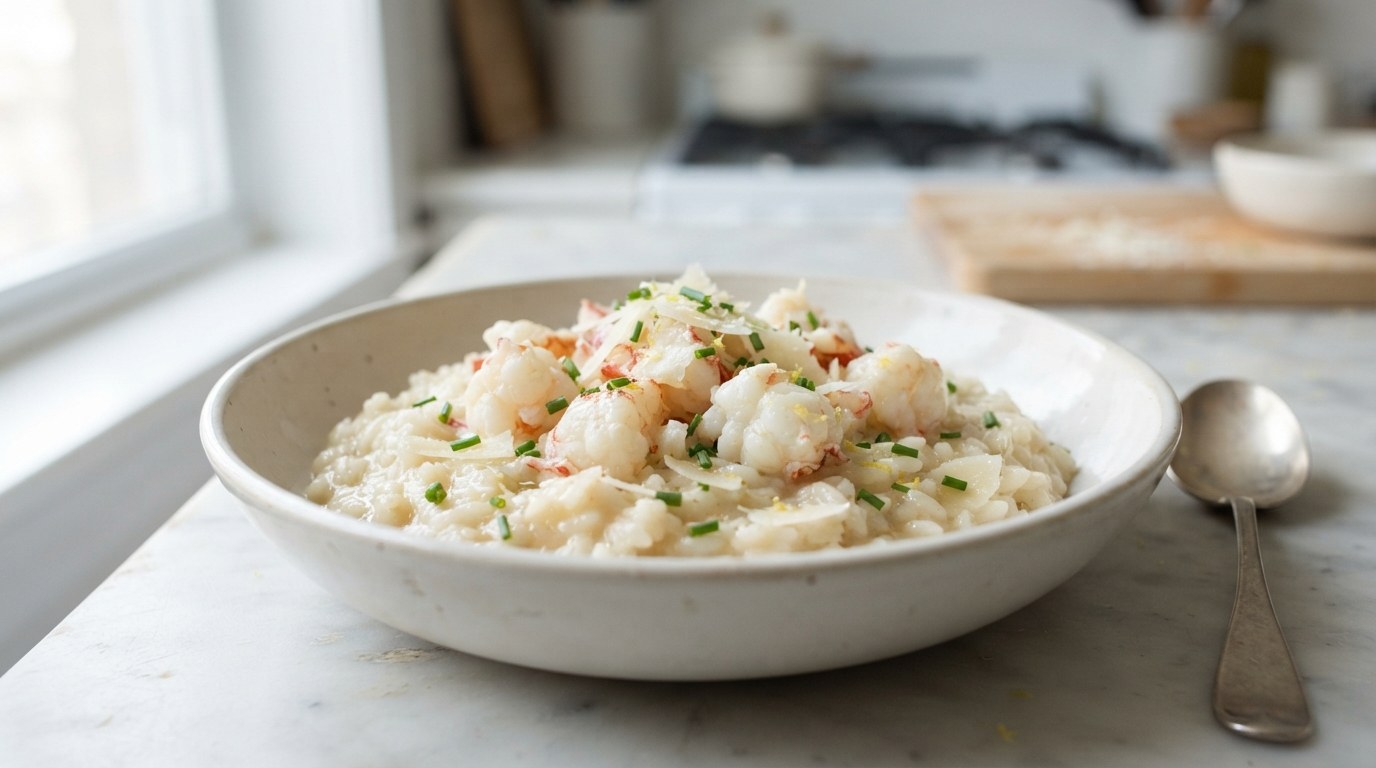
Lobster risotto is Arborio toasted and cooked in a stock made from the roasted lobster shells, finished off the heat with cold butter and Parmesan, with lobster meat that was cooked once and folded in at the very end so it stays tender. The shell stock is what makes every grain taste of lobster. Allow 75 minutes.
Full recipe: Lobster Risotto (75 minutes, serves 4)
Butternut Squash Lobster Risotto

The autumn version: roasted butternut squash goes in two ways, half puréed into the carnaroli so every grain turns orange, half in roasted cubes folded in for bite, with butter-poached lobster tails taken off at 140°F on top and fried sage to finish. Roasting the squash first drives off water and browns its sugars, so it tastes sweeter than boiled squash would. It's the longest recipe here at 90 minutes.
Full recipe: Butternut Squash Lobster Risotto (90 minutes, serves 4)
Shrimp and Scallop Risotto
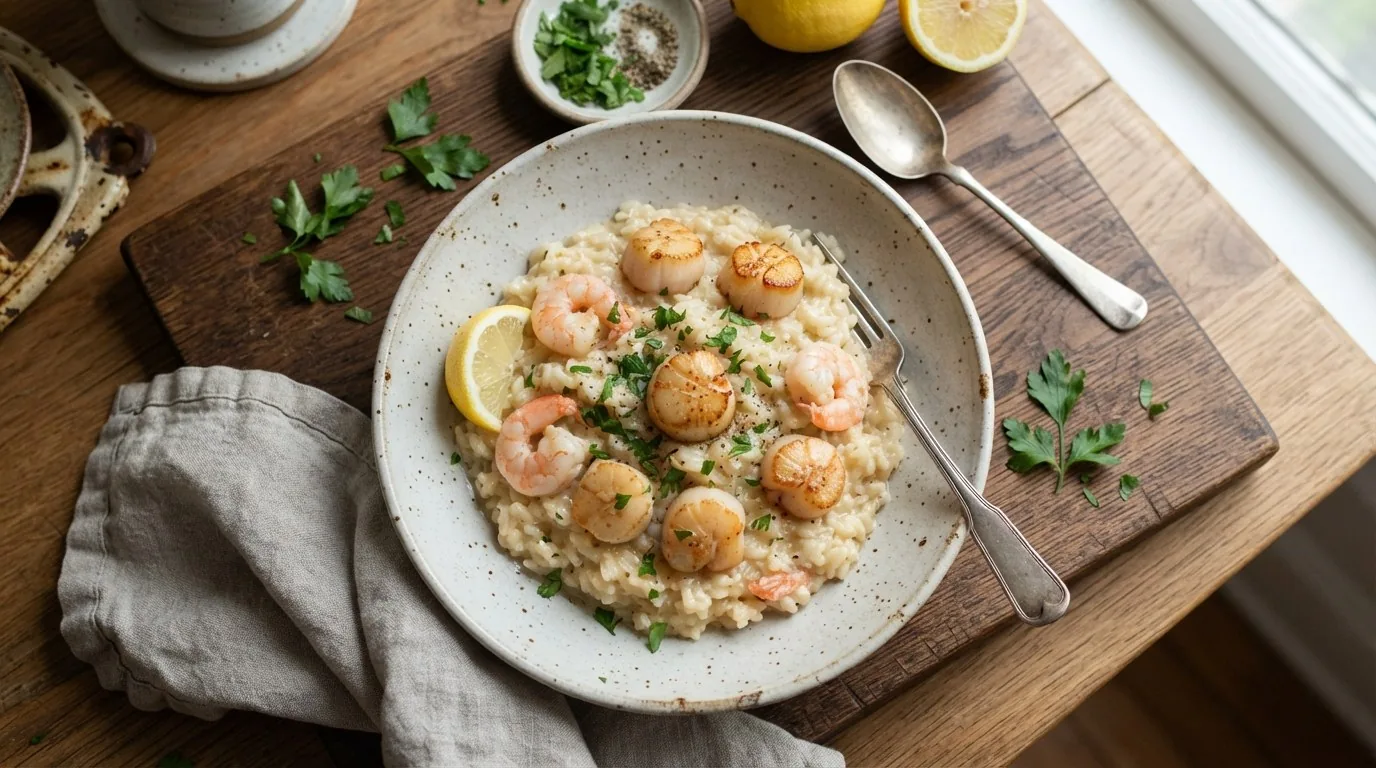
Shrimp and scallop risotto sears the scallops 1 to 2 minutes a side and the shrimp until just opaque, sets them aside, then builds the risotto in 18 to 20 minutes of ladling and stirring before the seafood goes back in to warm through. It's the fastest risotto here at 45 minutes and a good first one to try.
Full recipe: Shrimp and Scallop Risotto (45 minutes, serves 4)
Lobster Spaghetti
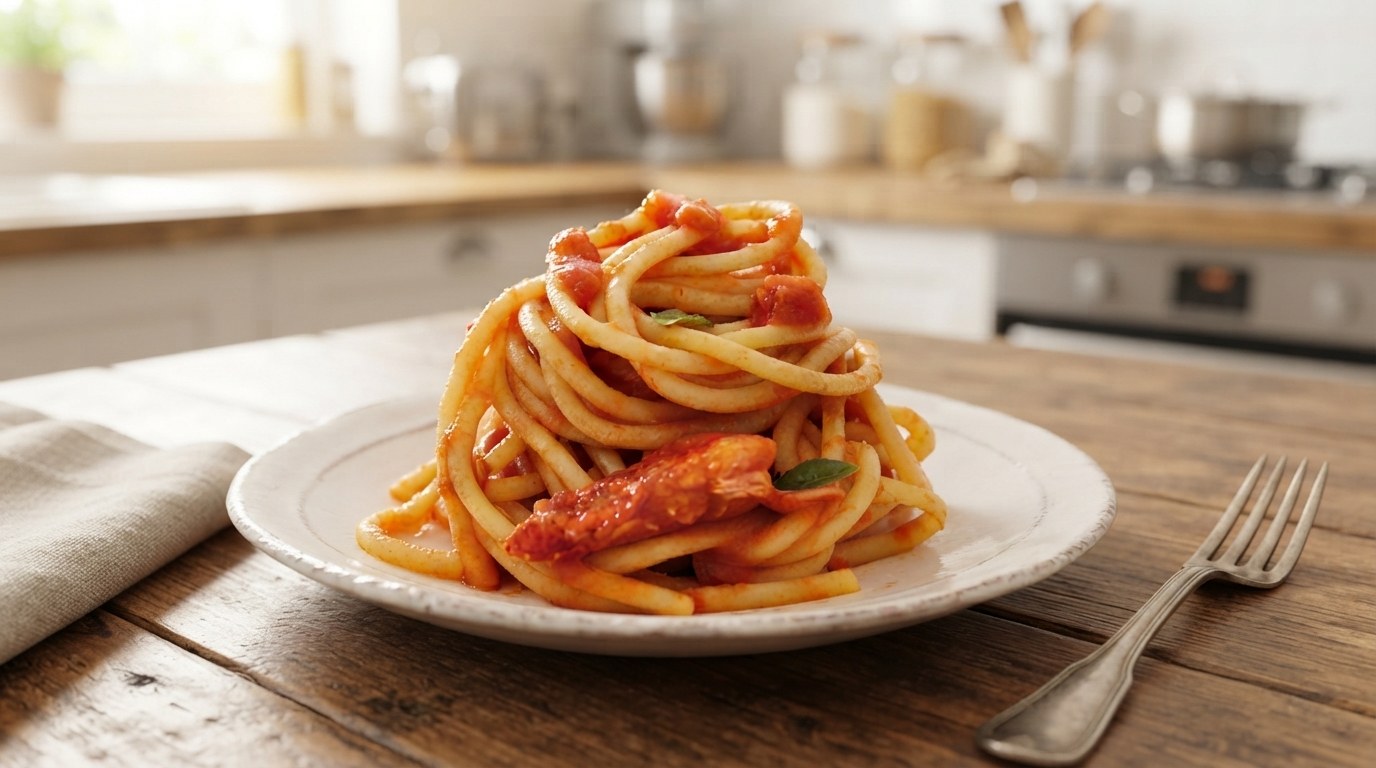
Gordon Ramsay's lobster spaghetti boils a whole lobster just to 140°F, makes a 20-minute stock from the shells, and builds a light, creamy cherry-tomato sauce with scallion, garlic, chili, white wine and butter. The spaghetti finishes in the pan so it absorbs the sauce, and the lobster is folded in last. Allow 75 minutes.
Full recipe: Lobster Spaghetti (75 minutes, serves 4)
King Crab Capellini

King crab capellini is the quickest seafood pasta here, 30 minutes: angel hair cooked about 4 minutes, tossed in a pan of olive oil, garlic, chili and green onion that has been deglazed with white wine and sharpened with lime juice, with the king crab meat stirred in just long enough to heat through.
Full recipe: King Crab Capellini (30 minutes, serves 4)
For more rice, our Hell's Kitchen risotto collection covers the base method and the non-seafood versions.
Buying and Storing Fish for These Recipes
Buy fish that smells fresh and mild, keep it at 40°F or below, and cook it within one to two days. The same FDA seafood guidance says fish should smell fresh, not fishy, sour or ammonia-like, fillets should be firm and spring back when pressed, and refrigerated seafood should be used within 2 days of purchase. University of Maine Cooperative Extension gives the same 1 to 2 days and says to keep it in the coldest part of the fridge. If you won't cook it in that time, freeze it, and thaw it in the fridge overnight.
Gordon Ramsay's buying checklist matches: firm, bouncy flesh, bright red gills and clear eyes on a whole fish, and a smell of the sea. For shellfish, only cook ones that are alive or properly chilled, and keep scallops out of water. Frozen fish is fine for most of these recipes, and for the rare-centered tuna it's the safer choice. On sustainability, NOAA Fisheries rates U.S. wild-caught Pacific halibut a smart seafood choice and reports the stock is not overfished. For anyone pregnant or feeding young children, the FDA's advice about eating fish sorts fish by mercury, and salmon, haddock, shrimp, scallops and crab are among the "Best Choices" it lists as even lower in mercury.
Which Gordon Ramsay Fish Recipe to Cook First
Start with the crispy skin salmon. It teaches every habit the other Gordon Ramsay fish recipes rely on (a dry surface, a hot pan before the oil, patience while it crisps, and an early pull) in 18 minutes with one fillet per person. Once the salmon works, the halibut and scallops are the same moves with less margin for error.
After that, cook by occasion. For a fast weeknight, the garlic butter shrimp or the sesame tuna. For a Friday night, fish and chips or the Fish & Crisps sandwich, with homemade tartar sauce. For guests, the Hell's Kitchen scallops as a starter from our dinner party appetizers, then a lobster risotto. Whichever you choose, the full recipe is one click away, and the rest of the site's dishes are in our recipe index.
Gordon Ramsay Fish Recipe FAQs
The questions that come up most: how Gordon Ramsay cooks fish, what fish he uses for fish and chips, how he gets salmon skin crispy, what temperature fish should reach, how to tell fish is done without a thermometer, which of his fish recipes are easiest, and how long raw fish keeps in the fridge.
How does Gordon Ramsay cook fish?
He heats the pan first, adds olive oil, and lays in a fillet that has been patted dry and seasoned. Skin-on fish is scored, salted, pressed flat and cooked skin side down for about 90% of the time, then served skin side up. He leaves the fish alone until it releases and takes it off the heat slightly early so carryover finishes it.
What fish does Gordon Ramsay use for fish and chips?
A thick fillet of cod or haddock, dipped in a cold batter of self-raising flour, cornflour and sparkling beer and fried at 350 to 375°F until the fish flakes at 145°F. Both are firm white fish that stay in large flakes inside the batter.
How does Gordon Ramsay get crispy skin on salmon?
He dries the fillet, scores the skin so it does not curl, salts it, puts it into a hot pan with oil, presses it flat and leaves it skin side down for most of the cook. The skin has to be dry because water holds the surface at 212°F, below the roughly 284°F where browning starts.
What temperature should fish be cooked to?
The FDA recommends 145°F for most seafood. Chefs often pull fish from a trusted source earlier for a moister texture (around 120 to 125°F for salmon, 120°F for halibut), but pregnant women, young children, older adults and anyone with a weakened immune system should have fish cooked to 145°F.
How do you know when fish is done without a thermometer?
Fish is done when the flesh separates easily with a fork and has turned opaque. Shrimp, scallops, crab and lobster are done when the flesh is firm, pearly and opaque. Shrimp curled into a tight O shape have gone too far.
What are the easiest Gordon Ramsay fish recipes?
Garlic butter shrimp (10 minutes), crispy skin salmon (18 minutes) and sesame-crusted tuna (20 minutes) are the easiest. Each uses one pan and a short, hot cook, and the salmon teaches the method the harder dishes build on.
How long can raw fish stay in the fridge?
Keep raw fish at 40°F or below in the coldest part of the fridge and cook it within 1 to 2 days of buying it. If you cannot cook it in that time, wrap it tightly and freeze it, then thaw it in the fridge overnight.

About the Author
John Siracusa is the founder of Hell’s Kitchen Recipes. He focuses on technique-first, reproducible home cooking and researches recipes & kitchen equipment from published food science and professional chef methods since 2016.