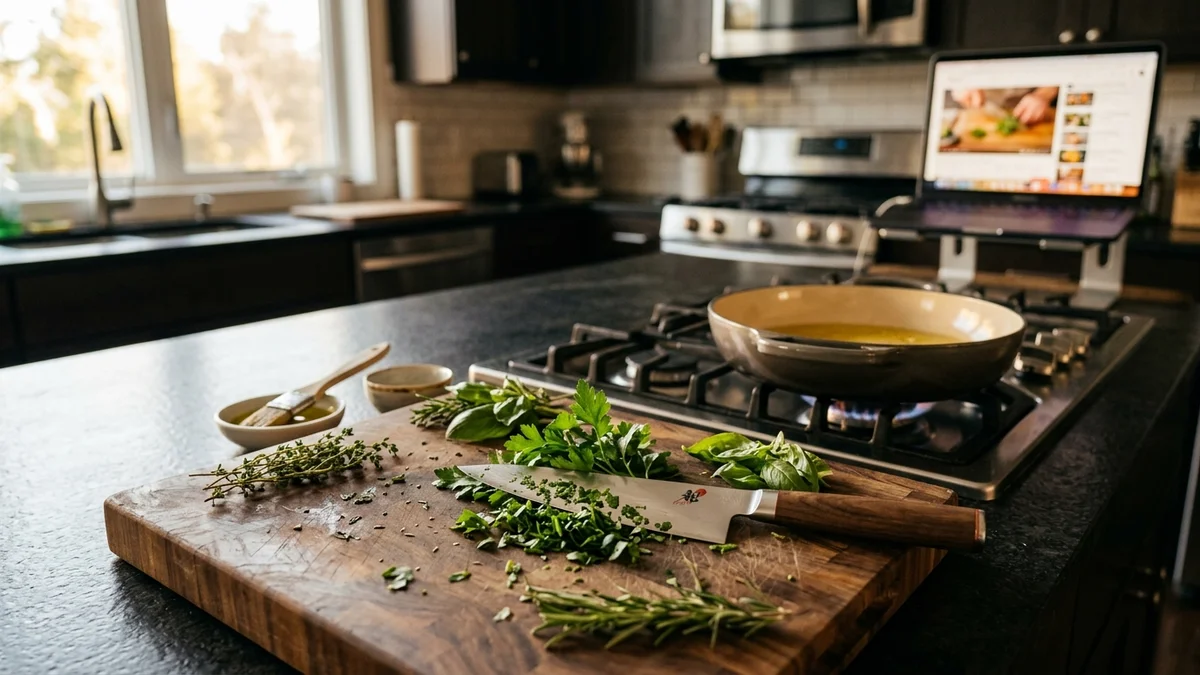
MasterClass has more than 10 cooking courses taught by chefs who run Michelin-starred restaurants, compete on television, and write the cookbooks sitting on your shelf. The question is whether watching them cook on camera will make you a better cook at home. We reviewed every MasterClass cooking course available in 2026 to answer that. Some teach real technique you can use tonight. Others are closer to a cooking documentary with a famous face. This breakdown covers what each course delivers, who it fits, and where the gaps are, so you can decide before you subscribe.
Hell’s Kitchen Recipes is reader-supported. When you buy through links on this page, we may earn a commission. We only recommend products we would use ourselves.
What MasterClass Cooking Courses Actually Teach
MasterClass cooking courses follow a consistent format across all instructors. Each course runs 10 to 20 pre-recorded video lessons, with individual lessons lasting 10 to 20 minutes. Every course includes a downloadable PDF workbook with recipes, ingredient lists, and supplementary notes. According to MasterClass, the cooking category alone includes instructors spanning French technique, BBQ, pastry, Mexican cuisine, Italian cooking, and farm-to-table philosophy.
The courses are not live. There is no Q&A session, no personalized feedback, and no way to ask the chef why your sauce broke. You watch, take notes, and practice on your own. That distinction matters. An in-person cooking class gives you a chef correcting your knife grip in real time. MasterClass gives you Gordon Ramsay explaining his knife grip while a camera crew films from three angles.
The production quality is high. Lessons are shot in professional kitchens with close-up camera work that shows exactly how each technique looks. Workbooks add structure. But the learning model is passive: you absorb information and then apply it yourself. That approach works well for experienced home cooks who just need the “why” behind a technique. It works less well for true beginners who need hands-on correction.
The Gordon Ramsay courses dominate the cooking catalog, but the full lineup runs deep. Thomas Keller, Alice Waters, Aaron Franklin, Massimo Bottura, Gabriela Cámara, Dominique Ansel, Wolfgang Puck, Roy Choi, and Yotam Ottolenghi all have courses. The range covers almost every major cuisine and skill level.
Gordon Ramsay’s MasterClass Cooking Lessons Reviewed
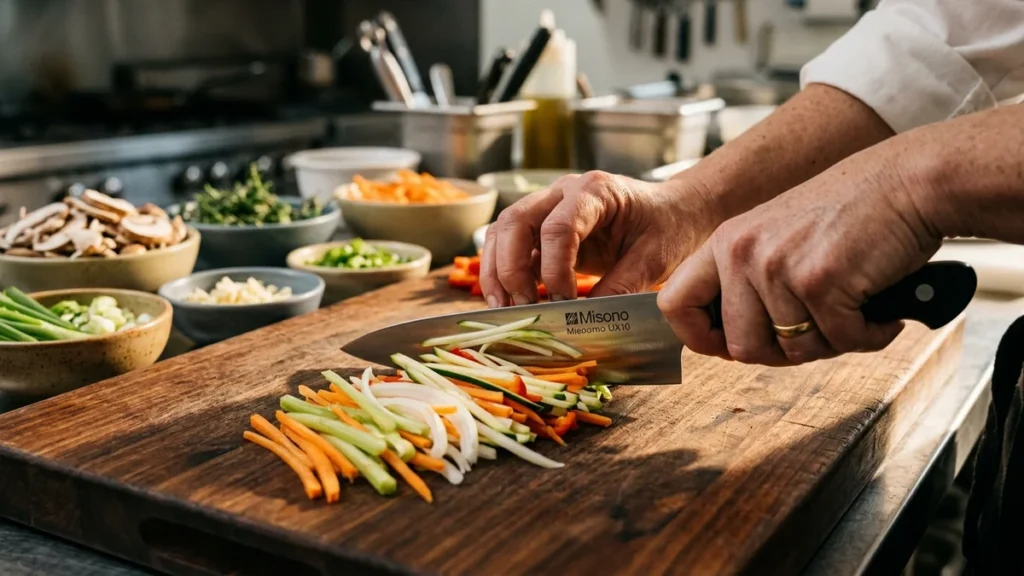
Gordon Ramsay teaches two cooking courses on MasterClass, and they serve different purposes. Cooking I covers fundamentals. Cooking II covers restaurant-level technique. Watching both back-to-back gives you a structured progression from basic skills to plated dishes you would see at one of his restaurants.
Cooking I: Kitchen Fundamentals
Ramsay’s Cooking I runs 20 lessons. It starts with kitchen layout and mise en place, then moves through knife skills, eggs (his scrambled eggs lesson is the most-referenced clip on the platform), pasta from scratch, sauces, and vegetable cookery. The pace is fast. Ramsay does not slow down for stragglers. He assumes you have a cutting board, a decent knife, and the willingness to practice.
The strength of Cooking I is Ramsay’s directness. He tells you exactly what to do, shows it at full speed, and explains why the technique matters. The weakness is that 20 lessons cannot cover fundamentals the way a semester-long culinary program can. You get the highlights, not the deep practice. Pair these lessons with actual repetition in your own kitchen. Try the techniques the same night you watch them.
Cooking II: Restaurant Recipes at Home
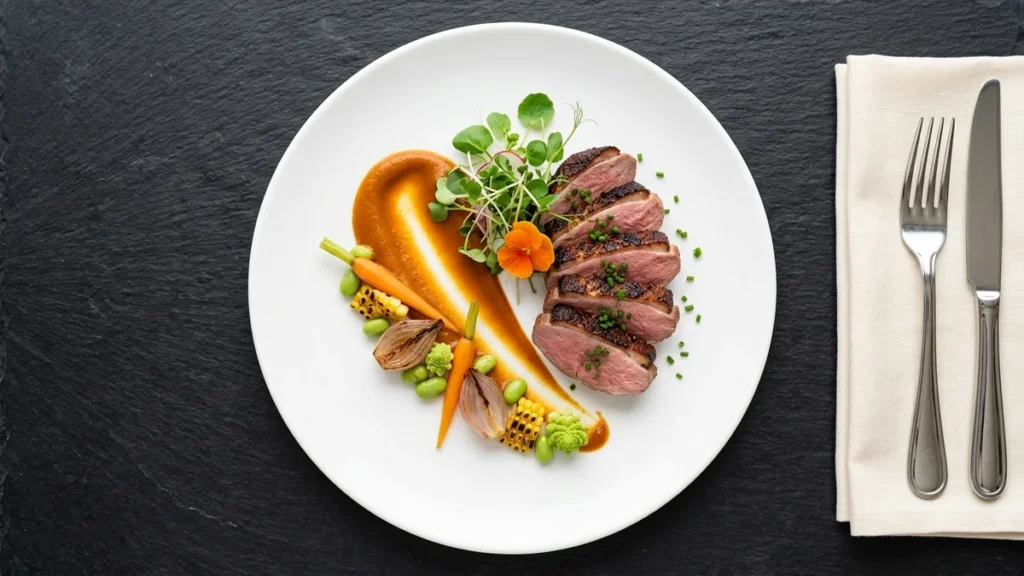
Cooking II runs 15 lessons and shifts from fundamentals to finished restaurant dishes: crispy duck, rack of lamb, Szechuan roasted chicken, fried branzino and a raspberry soufflé. The assumption is that you already have basic knife skills and can manage a hot pan. If you watched Cooking I and practiced, you are ready.
The rack of lamb lesson stands out. Ramsay walks through searing, oven finishing, and a modernized mint sauce that replaces the jar of green jelly most home cooks default to. That single lesson demonstrates the gap between home cooking and restaurant cooking, and it shows you how to close it.
Thomas Keller, Aaron Franklin, and the Other MasterClass Cooking Instructors
Ramsay gets the name recognition, but several other MasterClass cooking instructors teach courses that rival or surpass his in-depth. The platform’s catalog covers French fine dining, Texas BBQ, Italian, Mexican, pastry, and farm-to-table, each taught by someone who built their career in that lane.
Thomas Keller Teaches Precision Cooking
Thomas Keller’s two courses are the densest on the platform. Cooking Techniques I runs 36 lessons and clocks roughly seven hours of content. It covers stocks, sauces, braising, roasting, egg cookery, and vegetable preparation with a level of detail that borders on obsessive. Keller earned three Michelin stars at The French Laundry and three more at Per Se, according to the MICHELIN Guide. His teaching reflects that precision. Every measurement matters. Every degree of heat matters. Cooking Techniques II builds on the foundation with meats, advanced sauces, and pastry basics.
Keller’s courses are not for beginners. They assume you understand basic cooking vocabulary and can manage multiple pans at once. The payoff is a deeper understanding of why technique works, not merely how to execute it, but what happens at the molecular level when you sear meat or emulsify a vinaigrette.
Aaron Franklin Teaches Texas-Style BBQ
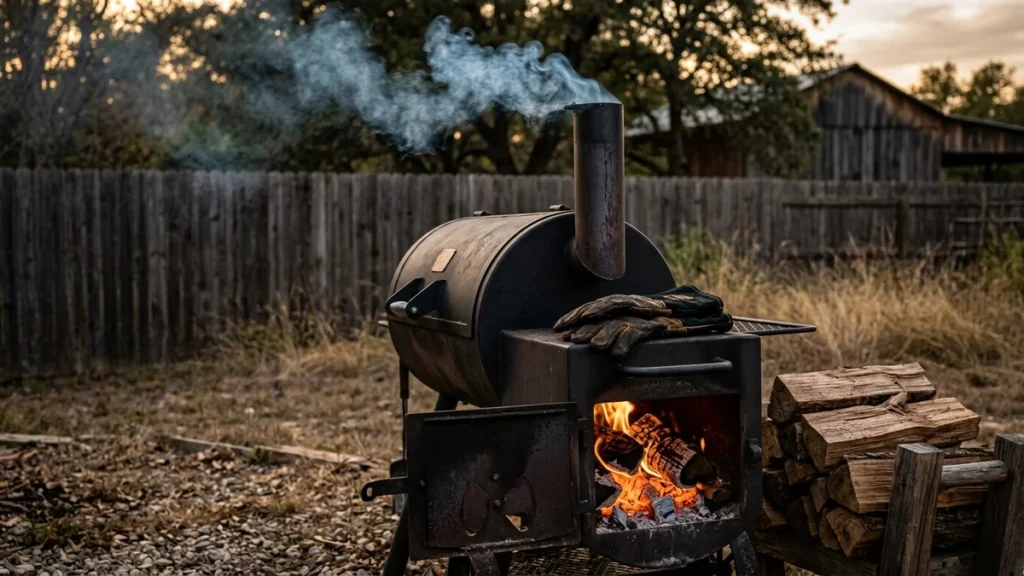
Aaron Franklin’s course is the most specialized on the platform. It focuses on one thing: smoking meat. Brisket, ribs, pork butt, and smoker management. Franklin runs Franklin Barbecue in Austin, Texas, where the line regularly stretches around the block before the doors open. His course breaks down wood selection, fire management, the stall, wrapping techniques, and slicing. If you own a smoker or plan to buy one, this course delivers practical, specific instruction you can apply the next time you light a fire.
Alice Waters, Massimo Bottura, and Gabriela Cámara
Alice Waters teaches The Art of Home Cooking with a focus on seasonal ingredients, farmer’s markets, and simplicity. Her approach is the opposite of Keller’s precision. She cooks by instinct and taste. The course works best for people who want to build confidence cooking without recipes.
Massimo Bottura teaches Modern Italian Cooking from the perspective of someone who runs Osteria Francescana, which has held the number-one spot on the World’s 50 Best Restaurants list. His course covers Italian technique with an avant-garde twist. It is inspiring but not always practical for a Tuesday night dinner.
Gabriela Cámara teaches Mexican Cooking with an emphasis on salsas, tortillas, braises, and the regional diversity of Mexican food. Her course fills a gap that most Western-focused cooking platforms ignore entirely. The recipes are accessible, and the techniques translate directly to a home kitchen.
Every MasterClass Cooking Course Compared
MasterClass cooking courses range from 13 to 36 lessons, and the skill level varies from absolute beginner to advanced home cook. This table breaks down what each course covers so you can match the right instructor to where you are now.
| Instructor | Focus Area | Skill Level | Lessons | Best For |
|---|---|---|---|---|
| Gordon Ramsay (Cooking I) | Kitchen fundamentals, knife skills, eggs, pasta | Beginner | 20 | Home cooks starting from scratch |
| Gordon Ramsay (Cooking II) | Restaurant dishes, beef Wellington, plating | Intermediate | 13 | Cooks ready for restaurant techniques |
| Thomas Keller (Techniques I) | Stocks, sauces, braising, roasting, eggs | Intermediate–Advanced | 36 | Precision-focused technique learners |
| Thomas Keller (Techniques II) | Meats, advanced sauces, pastry basics | Advanced | 16 | Keller I graduates |
| Aaron Franklin | Brisket, ribs, smoker management | All levels | 16 | Smoker owners and BBQ enthusiasts |
| Alice Waters | Seasonal ingredients, intuitive cooking | Beginner–Intermediate | 18 | Confidence builders, farm-to-table cooks |
| Massimo Bottura | Italian technique, avant-garde plating | Intermediate–Advanced | 14 | Italian food lovers, adventurous cooks |
| Gabriela Cámara | Salsas, tortillas, braises, regional dishes | Beginner–Intermediate | 17 | Home cooks who want authentic Mexican |
| Dominique Ansel | Croissants, tarts, choux, laminated dough | Intermediate | 17 | Bakers and pastry enthusiasts |
| Wolfgang Puck | California cuisine, entertaining, versatility | Beginner–Intermediate | 25 | Home entertainers, versatile cooks |
The pattern is clear. Ramsay and Waters work best at the beginner end. Keller and Bottura target cooks who already have a foundation. Franklin and Ansel serve niche interests, BBQ and pastry, where depth matters more than breadth. If you are brand new to cooking, start with Ramsay I or Waters. If you have been cooking for years and want to understand the science, start with Keller I.
Which MasterClass Cooking Course Fits Your Skill Level
MasterClass cooking courses do not follow a required sequence, but watching them in a logical order produces better results. Here is how to match your current ability to the right starting point.
Beginner path: Ramsay Cooking I teaches you how to hold a knife, build a pan sauce, and cook eggs three ways. After that, Alice Waters shows you how to shop for ingredients and cook by taste instead of rigid recipes. Gabriela Cámara rounds out the foundation with Mexican techniques that use the same knife skills and pan control you built in the first two courses.
Intermediate path: Thomas Keller Cooking Techniques I is the best next step for anyone who can cook a decent meal but wants to understand why things work. Massimo Bottura adds Italian creativity to that technical base. Keller Cooking Techniques II locks in the advanced fundamentals.
Specialty tracks: Dominique Ansel for pastry. Aaron Franklin for BBQ. These courses stand alone. You do not need other MasterClass courses as prerequisites, just an interest in the subject and the right equipment.
What MasterClass Cooking Courses Won’t Give You
MasterClass is not culinary school. It does not offer certificates, job placement, or credentials that a restaurant would recognize on a resume. If your goal is a professional cooking career, a James Beard Foundation-recognized program or an accredited culinary institute is the right investment. MasterClass is for home cooks who want to get better, not for career changers.
There is no live feedback. You cannot ask Thomas Keller why your hollandaise split or have Gordon Ramsay watch your knife technique through a screen. The courses are one-directional. You watch, you practice, and you self-correct. That model rewards self-motivated learners and frustrates people who need external accountability. If you want live instruction with real-time feedback, a live online cooking class fills the gap MasterClass leaves.
Some courses assume equipment that not every home kitchen has. Keller references professional-grade cookware. Franklin requires a smoker. Ansel expects a stand mixer and pastry tools. The workbooks list what you need, but check that list before you start watching, or you will spend three hours learning techniques you cannot practice until you buy gear.
The honest assessment: MasterClass cooking courses work best as a supplement. Pair them with actual practice, our free cooking techniques guides, and the willingness to fail repeatedly. They give you the perspective of world-class chefs. They do not give you the repetitions that build skill.
How We Researched This
We cross-referenced the course descriptions and curriculum outlines published on the MasterClass website for every cooking instructor on the platform. We reviewed published feedback from cooking communities, food media, and educational review platforms to gauge how each course performs for different skill levels. We consulted MICHELIN Guide records for Thomas Keller and Massimo Bottura to verify culinary credentials. We compared MasterClass course formats and lesson counts against competing online cooking platforms to assess relative depth.
We did not take every course ourselves. This review uses a reporter method: we evaluated what each course promises, what published reviewers report, and how the curriculum stacks up on paper. Where we cite specific lesson counts or course content, that information comes directly from MasterClass’s own course pages.
Frequently Asked Questions
The most common questions about MasterClass cooking courses come down to value and format. A single membership opens the entire catalog, not just cooking, and that changes the math. Below are the questions home cooks ask most often, with direct answers.
Is MasterClass worth it just for cooking courses?
A MasterClass membership gives you access to every course on the platform, not just cooking. That said, the cooking library alone has 10 or more courses from chefs like Gordon Ramsay, Thomas Keller, and Aaron Franklin. If you plan to watch at least three or four cooking courses, the membership pays for itself compared to buying individual cooking classes elsewhere.
How many cooking courses does MasterClass have?
MasterClass has more than 10 cooking courses as of 2026. Instructors include Gordon Ramsay (two courses), Thomas Keller (two courses), Aaron Franklin, Alice Waters, Massimo Bottura, Gabriela Cámara, Dominique Ansel, Wolfgang Puck, Roy Choi, and Yotam Ottolenghi. New courses are added periodically.
Can beginners learn knife skills from Gordon Ramsay’s MasterClass?
Gordon Ramsay covers knife skills in his Cooking I course, including grip, rocking motion, and basic cuts. The lessons are short and demonstration-based. You will see the technique clearly, but there is no live feedback to correct your form. Pair the video lessons with hands-on practice using inexpensive vegetables like onions and carrots.
Does MasterClass give you a cooking certificate?
No. MasterClass does not offer certificates, diplomas, or credentials of any kind. It is not an accredited culinary school. The courses are designed for personal enrichment and skill development, not professional certification.
Is MasterClass better than free YouTube cooking videos?
MasterClass offers structured, multi-lesson courses with PDF workbooks and a planned curriculum. YouTube is free but unstructured, and video quality varies wildly. MasterClass works better for people who want a guided learning path from a specific chef. YouTube works better for one-off recipe lookups.
Can you share a MasterClass membership with family?
MasterClass offers membership tiers that allow multiple devices and household sharing. Check the current membership options on the MasterClass website for the latest details on how many simultaneous streams each plan supports.
What kitchen equipment do you need for MasterClass cooking courses?
Most MasterClass cooking courses assume a standard home kitchen setup: a sharp chef knife, cutting board, sauté pan, saucepan, sheet pan, and basic pantry staples. Thomas Keller’s courses occasionally reference professional-grade tools. Aaron Franklin’s course requires a smoker. Each course includes a PDF workbook listing specific ingredients and tools needed.
How much does MasterClass cost, and is it worth the price?
MasterClass sells an annual membership that unlocks the entire catalog (every cooking course plus everything else on the platform) rather than charging per class. That reframes the value question: if you plan to work through several cooking courses, such as Gordon Ramsay’s Cooking I and II plus a Thomas Keller course, the membership costs less than buying comparable classes individually. For a single course, an à la carte or in-person class may make more sense. Check the current membership tiers on the MasterClass website for exact pricing.
Is Gordon Ramsay’s MasterClass worth it?
Gordon Ramsay’s two courses are the most popular cooking content on MasterClass and the best starting point for most home cooks. Cooking I builds fundamentals like knife skills, eggs, pasta, and sauces, while Cooking II moves to restaurant dishes like beef Wellington. They are worth it if you want a structured foundation from a chef who explains the reasoning behind each technique, and you accept that the format is watch-and-practice with no live feedback.
The Verdict on MasterClass Cooking Courses
MasterClass cooking courses are worth it for home cooks who want structured instruction from chefs at the top of the profession. The courses will not replace hands-on practice or culinary school. But they give you something no cookbook can: watching a world-class chef think through a dish in real time, explaining the decisions that separate good cooking from great cooking.
Start with Gordon Ramsay Cooking I if you are building a foundation. Start with Thomas Keller Cooking Techniques I if you want to understand the science. Pick Aaron Franklin if you live at the smoker. Pick Gabriela Cámara if you want authentic Mexican technique that translates directly to a home kitchen. The MasterClass cooking library has enough depth to keep a serious home cook learning for months. For a shortlist of the strongest picks, see our guide to the best MasterClass cooking classes.
About the Author
John Siracusa is the founder of Hell’s Kitchen Recipes. He focuses on technique-first, reproducible home cooking and researches recipes & kitchen equipment from published food science and professional chef methods since 2016.