Dark red wine reduction sauce in a stainless steel sauté pan on a butcher block counter with fresh thyme and peppercorns

A red wine reduction sauce turns a Tuesday night steak into something you’d pay for at a restaurant. The technique is simple. Sear your protein. Remove it. Deglaze the pan with wine. Reduce. Add stock. Reduce again. Finish with cold butter. Five steps, fifteen minutes, and the brown bits stuck to the bottom of your pan become the base of something worth talking about. This guide covers the food science behind why it works, which wines to reach for, and a step-by-step method you can run on autopilot once you’ve done it twice. If you’ve tried other pan sauces and sides for pairing, this one belongs in the same rotation.

What a Red Wine Reduction Sauce Actually Is

A red wine reduction sauce is a concentrated sauce built from three components: wine, stock, and the caramelized drippings left in a hot pan after searing. Chefs call those drippings fond, the French word for “base” or “foundation.” Fond is where most of the flavor lives.

The technique hinges on evaporation. When you simmer wine in a wide pan, water and alcohol leave as steam. What stays behind is a concentrated liquid with a deeper flavor and a thicker body. A cup of wine reduces to a few tablespoons of syrupy glaze. The sugars, acids, and tannins that were spread thin across the original volume now sit in a fraction of that space.

Harold McGee explains the chemistry in On Food and Cooking: ethanol begins evaporating at 173°F (78°C), well below water’s boiling point of 212°F. But the alcohol doesn’t vanish instantly. According to research from Idaho State University and the USDA, simmering a wine-based sauce for 15 minutes still retains about 40% of the original alcohol. After 30 minutes, roughly 35% remains. The alcohol that stays contributes to the aroma. It carries volatile flavor compounds that your nose picks up before the sauce hits your tongue.

That’s what separates a reduction from a regular sauce. You’re not adding flavor from outside. You’re concentrating on what’s already in the pan.

Which Red Wine Works Best for a Reduction Sauce

Not every bottle works. The rule most cooks hear is “cook with what you’d drink.” That’s half right. You want a wine that tastes good on its own. Cheap cooking wine loaded with salt and preservatives will concentrate those flaws. But you don’t need an expensive bottle either. The heat and reduction process destroy the delicate complexity that makes a great wine worth sipping.

Four glasses of red wine varieties side by side showing different colors from deep Cabernet to lighter Pinot Noir
Different red wine varieties produce different results in a reduction. Dry, full-bodied wines with moderate tannins work best.

Dry, medium-bodied reds with moderate tannins perform best. The Wine Folly red wine guide breaks down annual levels by grape variety, a useful reference when standing in the wine aisle.

Red Wine Varieties for Reduction Sauce
Grape Tannin Level Body Best For Notes
Cabernet Sauvignon High Full Beef, lamb Bold flavor that stands up to rich cuts. It can turn bitter if reduced too far. Watch the timing.
Pinot Noir Low Light-Medium Chicken, mushrooms, salmon Gentler tannins produce a smoother sauce. The go-to for lighter proteins.
Merlot Medium Medium-Full Pork, duck, pasta Soft tannins and fruit-forward character. Forgiveness for beginners.
Syrah / Shiraz Medium-High Full Braised short ribs, grilled meats Peppery, smoky notes carry through the reduction. Pairs with bold flavors.

What to avoid: Sweet wines (Moscato, Riesling, Port) concentrate their sugar and throw the balance toward cloying. Heavily oaked wines can turn woody and tannic when reduced. White Zinfandel has no place here.

A bottle in the mid-range works. Something you’d pour yourself a glass of while cooking. The rest goes in the pan.

Red Wine Reduction Sauce Recipe: Step by Step

This method assumes you’ve just seared a piece of meat (steak, pork chop, lamb chop, chicken thigh) and the pan has fond on the bottom. Without searing first, you skip the deglazing step and lose some depth. The fond is where the magic lives.

Red wine being poured into a hot stainless steel skillet to deglaze fond with steam rising from the pan
Deglazing lifts the caramelized fond off the pan bottom and dissolves it into the wine — this is where the deep flavor comes from.

What You Need

Ingredients:

  • 1 cup dry red wine (Cabernet Sauvignon or Merlot)
  • 1 cup beef or veal stock (homemade is better; store-bought works)
  • 2 tablespoons shallots, minced
  • 1 clove garlic, minced
  • 2 sprigs fresh thyme
  • 2 tablespoons cold unsalted butter, cubed
  • Salt and black pepper to taste

Equipment:

  • Heavy-bottomed sauté pan or skillet (the one you seared in)
  • Wooden spoon or heat-proof spatula
  • Fine-mesh strainer

The Method

Step 1: Clear the pan. Remove your seared protein and set it on a plate to rest. Pour off all but about 1 tablespoon of the rendered fat. Leave the fond. Those brown bits are flavor.

Step 2: Cook the aromatics. Set the pan over medium heat. Add the minced shallots and cook for 60 to 90 seconds, stirring constantly. They should soften and turn translucent but not brown. Add the garlic and cook for another 30 seconds. You’ll smell it.

Step 3: Deglaze with wine. Pour in the full cup of red wine. It will sizzle and steam. Good. Use the wooden spoon to scrape every bit of fond off the bottom of the pan. This is deglazing. The wine lifts the caramelized proteins and dissolves them into the liquid. Those brown bits are the Maillard reaction’s gift to your sauce.

Step 4: Reduce the wine. Drop the thyme sprigs in. Let the wine simmer — not boil — until it reduces by about half. This takes 4 to 6 minutes, depending on your pan width. A wider pan has more surface area and speeds evaporation. You’re looking for the liquid to thicken slightly and the raw alcohol smell to fade. If you can smell wine from across the kitchen, it’s not done.

Step 5: Add stock and reduce again. Pour in the stock. Bring to a simmer and let it reduce by about half again. Another 5 to 8 minutes. The sauce should coat the back of a spoon. Run your finger across the spoo,n and the line should hold. Chefs call this consistency nappé. If it drips off clean, keep going.

Step 6: Strain. Pull out the thyme sprigs. Pour the sauce through a fine-mesh strainer into a small saucepan or measuring cup. This catches the shallot pieces and any bits that would make the sauce gritty. You want silk.

Step 7: Finish with cold butter. Return the strained sauce to low heat. Add the cold butter cubes one or two at a time, swirling the pan constantly. Don’t whisk aggressively. Swirl. The cold butter emulsifies into the hot sauce, creating a glossy, rich finish. This technique is called monter au beurre — “to mount with butter.” It’s what gives restaurant sauces their shine. Season with salt and pepper.

The sauce is done. Spoon it over your rested protein and serve immediately. It won’t hold well. The butter emulsion breaks if you reheat it.

For a different approach to pan sauces, the green peppercorn sauce technique uses the same deglazing foundation but builds in a different direction with cream and crushed peppercorns.

Five Dishes That Pair with Red Wine Reduction

This sauce works across proteins and even some vegetarian dishes. The key is matching the wine’s weight to the food’s richness.

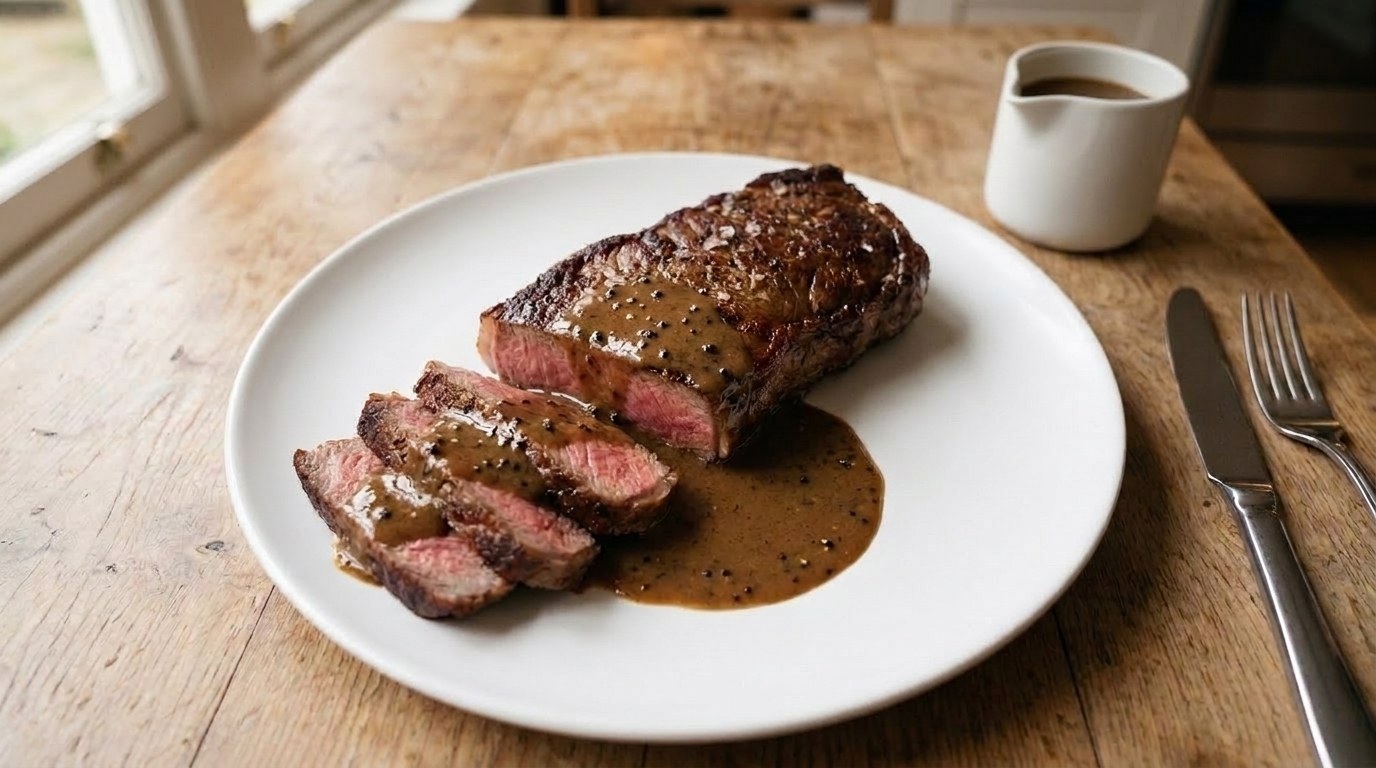
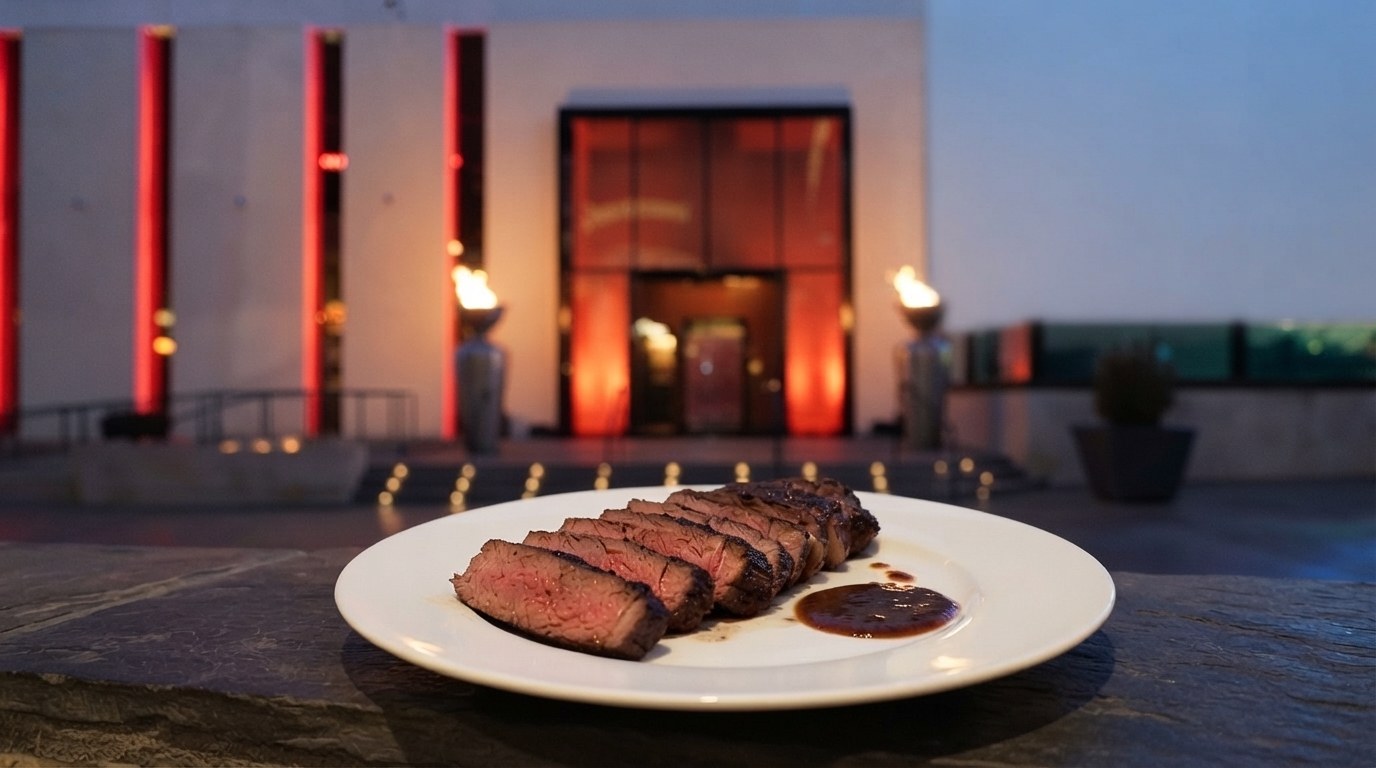
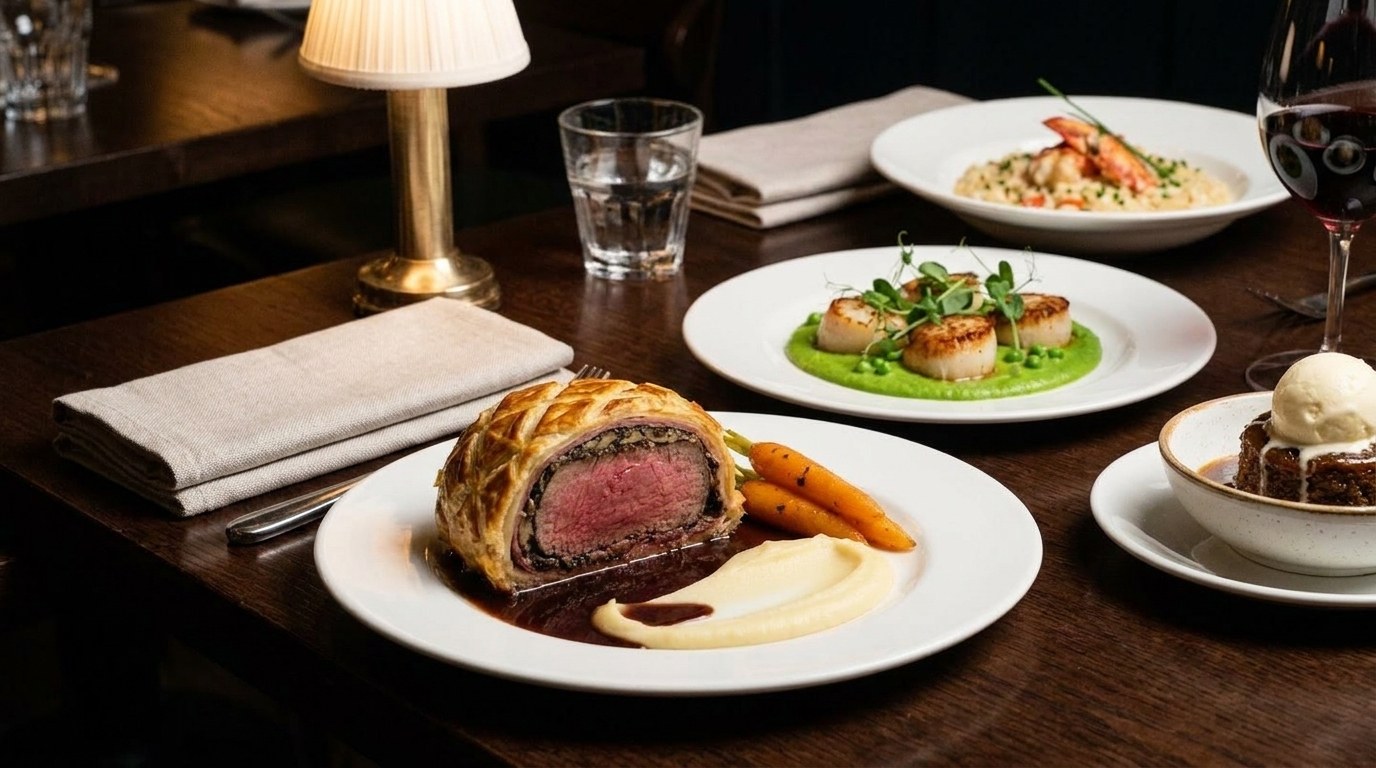
Sliced medium-rare steak on a white plate with glossy red wine reduction sauce spooned over the top
A red wine reduction turns a simple steak into a restaurant-quality plate. The glossy sheen comes from finishing with cold butter.

Pan-seared steak. The classic pairing. A pan-seared strip steak with red wine reduction is the dish that made this sauce famous in home kitchens. Sear the steak in the same pan, build the sauce in the drippings. The fond from beef is the strongest base you can get.

Lamb chops. Lamb’s gaminess pairs with Cabernet or Syrah reductions. The tannins in the wine cut through the fat. Use the rendered lamb fat to sauté the shallots. It adds another layer.

Sautéed mushrooms. Cremini or porcini mushrooms release their own liquid when cooked. Let them brown first, then deglaze with wine. The mushroom juice mixes with the reduction and creates something earthy and deep. This version works as a side dish or a topping for crostini.

Pasta. Toss the finished reduction with cooked pappardelle or rigatoni. Add a splash of pasta water to loosen. The starch in the pasta water helps the sauce cling. For a fuller version, brown the Italian sausage first and build the reduction in the sausage drippings.

Grilled cheese and sandwiches. A tablespoon of red wine reduction spread inside a grilled cheese, on top of sharp cheddar or Gruyère, turns a basic sandwich into something worth sitting down for. The wine’s acidity cuts through the melted cheese the same way it cuts through a fatty steak. It works on burger buns, too.

The connection between wine and cheese isn’t just about flavor preference. Research published in the Journal of Agricultural and Food Chemistry found that dietary fats bind directly to grape tannins, reducing astringency and creating a smoother mouthfeel. Fat intercepts tannins before they can latch onto the proteins in your saliva. That’s why a tannic Cabernet tastes smoother with a rich steak than on its own.

Why This Method Works

Red wine reduction sauce relies on four chemical processes happening in sequence. Understanding them helps you troubleshoot when something goes wrong.

Deglazing dissolves the Maillard reaction products. When meat hits a hot pan, amino acids and sugars react at temperatures above 280°F to create hundreds of new flavor compounds. These compounds stick to the metal as well. Wine’s acidity and water content dissolve them. That’s why deglazing a dry pan produces almost nothing. The fond is the starting material.

Alcohol carries volatile aromatics. Ethanol is a better solvent for certain flavor molecules than water. As the wine simmers and alcohol evaporates, it carries these volatile compounds into the steam rising from the pan. That’s why the kitchen smells incredible during reduction. Some alcohol stays in the sauce. According to USDA data compiled by Idaho State University, a sauce simmered for 15 minutes retains about 40% of its original alcohol content. The retained ethanol keeps carrying aromatics to your nose as you eat.

Gelatin from stock builds body. Good stock contains gelatin extracted from bones and connective tissue during long simmering. The USDA draws a distinction between stock and broth: stock uses bones, broth uses meat, and the bone-based version yields far more gelatin. When the stock reduces, the gelatin concentrates and gives the sauce viscosity without flour or cornstarch. This is why homemade stock produces a richer sauce than store-bought. Commercial stock often contains less gelatin. A stock that sets into jelly when refrigerated has enough gelatin for a proper reduction.

Cold butter emulsifies the finish. Swirling cold butter into a hot sauce creates a temporary emulsion: fat droplets suspended in the liquid. The milk solids and water in butter act as natural emulsifiers. The temperature contrast matters: cold butter melts slowly enough to form small, stable droplets. Warm or room-temperature butter melts too fast and separates into a greasy slick. This is why restaurant sauces look glossy, and yours might not. They finish with cold butter, swirled, never whisked hard.

The same deglazing and reducing foundation powers other classic pan sauces. The Madeira sauce technique swaps red wine for Madeira’s fortified sweetness but follows the same reduction logic.

Common Mistakes and How to Fix Them

Six mistakes kill most red wine reduction sauces before they leave the pan. Each one has a fix.

Using sweet wine. Sugar concentrates during reduction. A wine that tastes mildly sweet becomes syrupy and cloying after losing half its volume. Stick to dry reds.

Boil instead of simmer. A hard boil evaporates liquid fast but can scorch the fond and create bitter flavors. A gentle simmer (small bubbles breaking the surface, not a rolling boil) gives you control.

Skipping the stock. Wine alone reduces to a thin, acidic glaze. Stock adds body, gelatin, and a savory backbone that balances the wine’s acidity. You need both.

Adding warm butter. Warm or softened butter won’t emulsify. It melts instantly and floats as grease on the surface. Cut butter into small cubes straight from the fridge. Add them one at a time. Swirl the pan.

Reheating the finished sauce. The butter emulsion breaks above 160°F. If you make the sauce ahead and try to reheat it, you’ll get a greasy, separated mess. Make it fresh, serve it fast. The sauce takes 15 minutes. Time it with your protein’s rest.

Forgetting to strain. Bits of shallot and thyme stems make the sauce look rustic. Straining makes it look professional. Your call, but straining also removes any burnt fragments that could taste bitter.

For a butter-based sauce that goes in a completely different direction, the béarnaise sauce recipe uses the same quality butter. Still, it builds an egg-yolk emulsion instead of a reduction.

Frequently Asked Questions

Most questions about red wine reduction sauce come down to timing, wine selection, and what can go wrong. The sauce reduces in under 15 minutes once you start. Dry, medium-bodied reds work best: Cabernet Sauvignon for beef, Pinot Noir for lighter proteins. The biggest mistakes are boiling too hard, skipping the stock, and using warm butter for the finish.

Can I make red wine reduction sauce without searing meat first?

Yes, but you’ll lose the fond, the caramelized drippings that provide the deepest flavor. Without fond, start by sautéing shallots in butter, then add the wine and stock. The sauce will still taste good. It won’t taste as complex. You can also sear mushrooms in the pan first to build a vegetarian fond.

How long does red wine reduction sauce keep?

The base reduction (before adding butter) keeps in the refrigerator for up to 5 days. Freeze it for up to 3 months. When ready to serve, reheat the base gently and finish with fresh cold butter. Don’t store the sauce after adding butter. The emulsion breaks and will not reform.

Can I use white wine instead of red?

You can, but it produces a different sauce. White wine reductions are lighter, more acidic, and pair better with fish, chicken, and cream-based dishes. Red wine brings tannins, deeper color, and a richer body. They’re two different sauces with two different applications. Neither is better. They solve different problems.

Why does my reduction taste bitter?

Three common causes. The wine was too tannic (heavily oaked Cabernet or Malbec), and the tannins concentrated during reduction. The fond burned before deglazing, leaving black bits instead of brown bits. You reduced too far, and the sugars caramelized past the sweet spot into bitter territory. Pull the sauce off the heat when it coats a spoon. Don’t wait for it to become thick like gravy.

Do I need expensive wine for cooking?

No. The heat and reduction process destroy the subtle aromatics that make expensive wine worth sipping. A mid-range bottle works. The only rule: it should taste good enough to drink a glass of while you cook. Avoid anything labeled “cooking wine.” Those products contain added salt and preservatives that concentrate during reduction and ruin the sauce.

What’s the difference between a reduction and a pan sauce?

A reduction is one technique used in a pan sauce. The full pan sauce process includes searing (to create fond), deglazing (to dissolve fond), reducing (to concentrate flavor), and finishing (butter, cream, or herbs). A reduction by itself is just the act of simmering liquid until it loses volume. Most restaurant pan sauces use reduction as their core step.

Hell’s Kitchen Recipes is reader-supported. When you buy through links on this page, we may earn a commission. We only recommend products we would use ourselves.

This article is for informational purposes only and is not medical or nutritional advice. Alcohol retention data cited from USDA research compiled by Idaho State University. Circumstances vary; adjust technique to your equipment and ingredients.

🔥 Scale Any Recipe in Seconds

Automatically adjust ingredient amounts, prep time, and recommended pan sizes—without doing any math. Perfect for meal prep, dinner parties, or scaling down for 1–2 servings.

→ Open the Recipe Scaling Calculator