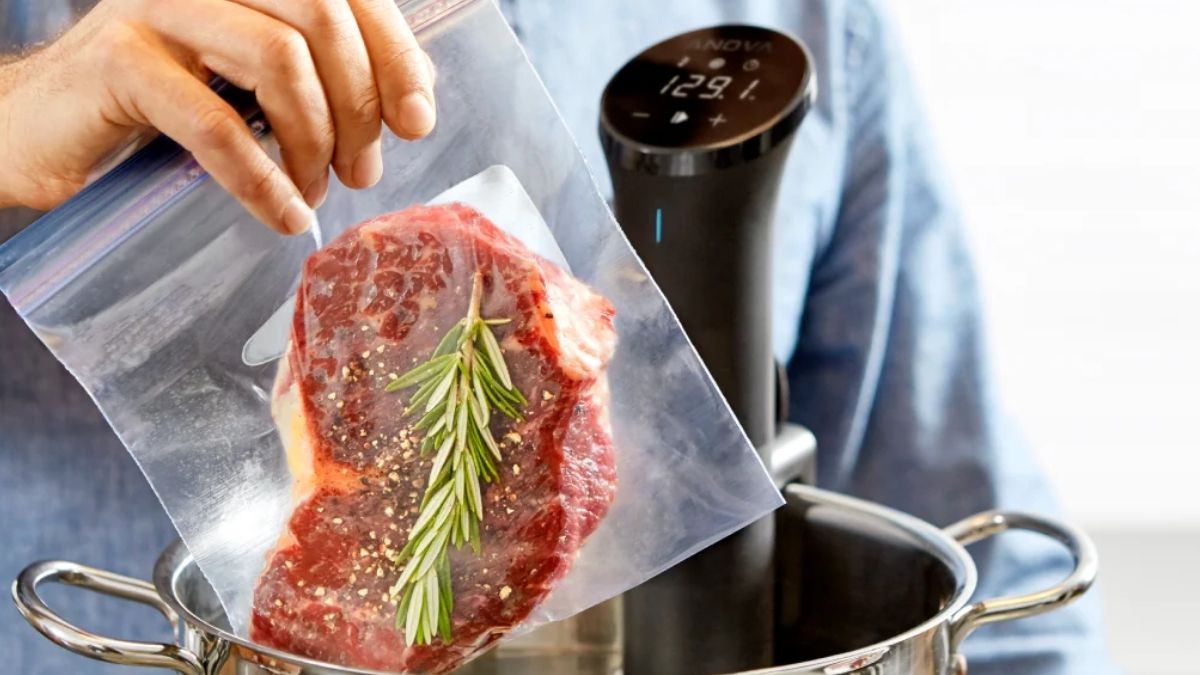
Sous vide brings restaurant precision to any home kitchen. If you’re new to this technique, choosing the right cooker is the difference between “pretty good” and “nailed it.” This guide explains the basics, compares the top beginner-friendly models, and shares foolproof recipes to get you cooking today. Start by brushing up on core methods here: Cooking Techniques.
What Is Sous Vide Cooking?
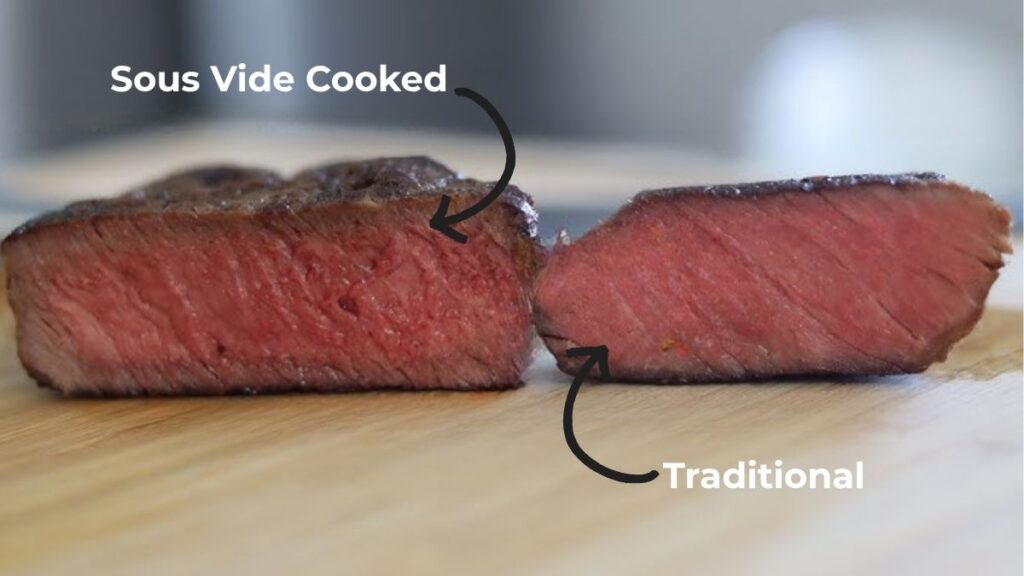
“Sous vide” means “under vacuum.” You seal food in a bag and submerge it in a precisely heated water bath. A small immersion circulator maintains the temperature, ensuring your steak, salmon, or vegetables cook evenly from edge to center.
How Sous Vide Works (Water Bath Precision Cooking Explained)
The circulator’s thermostat and pump keep water at a constant set point (for example, 130°F for medium-rare steak). Because the water never overshoots, your food can’t overcook as it reaches its exact target temperature.
Why Sous Vide Is Perfect for Beginners
It’s forgiving, consistent, and hands-off. You set a temperature, press start, and focus on the finish (a quick sear). Want a deeper dive? See our Beginner Sous Vide guide.
Essential Equipment You’ll Need to Get Started
- Sous vide cooker (immersion circulator)
- Container or stockpot + lid
- Sealing bags (zipper or reusable)
- Clips or a rack to prevent floating
- Skillet/torch for finishing
Always handle, chill, and store food safely. Review the FDA’s safe food handling guidance.
How to Choose the Best Sous Vide Cooker for Beginners
Key Features to Look For
- Accuracy: Aim for a precision of ±0.1°C for repeatable results.
- Wattage: 1,000–1,200W heats quickly for weeknight cooking.
- Connectivity: Wi-Fi apps are convenient; manual controls should still be simple.
- Usability: Clear display, easy clamp, and quiet operation.
- Build & Warranty: Solid housing and reliable support matter for new cooks.
Sous Vide Cookers vs. Sous Vide Kits vs. “Machines”
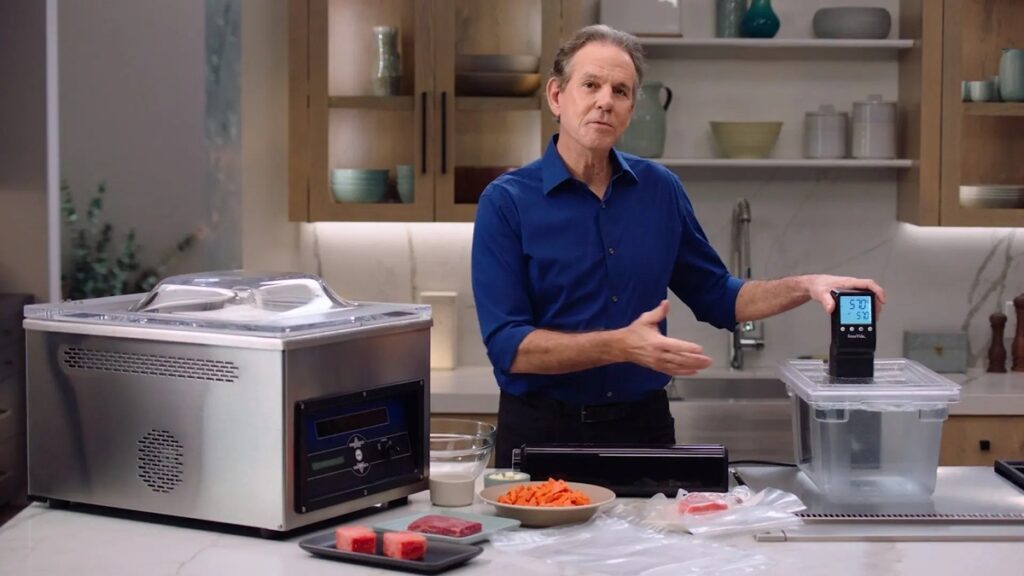
An immersion circulator is the cooker itself. A kit bundles the circulator with a container, lid, and rack—great for beginners. Compare options in our Best Sous Vide Kit guide.
Recommended Brands for Beginners
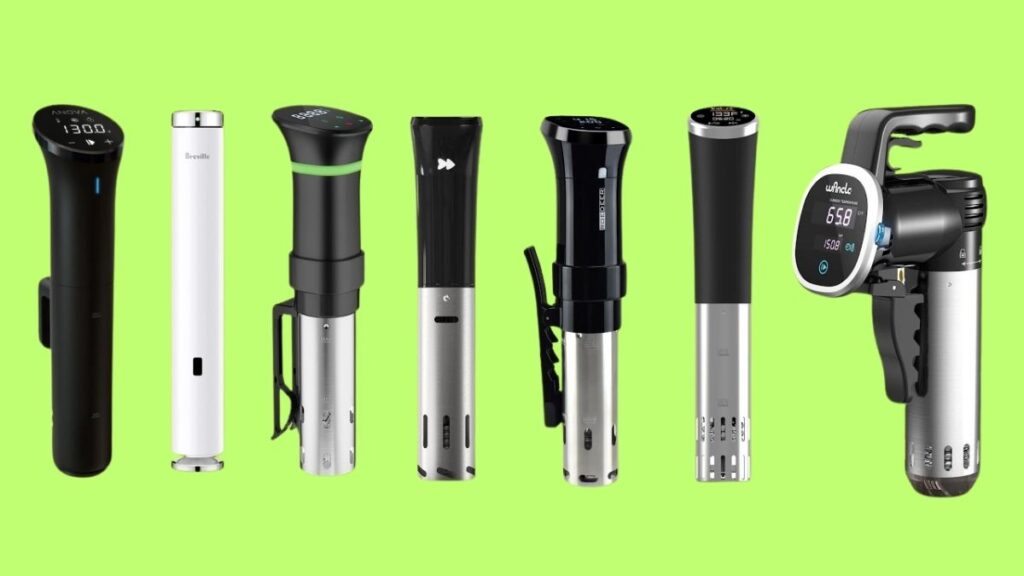
Reliable choices include Anova, Breville Joule, Inkbird, and Instant Pot. Real-world feedback from the community is invaluable—see this r/sousvide discussion for what beginners love (and what they don’t).
Top 5 Best Sous Vide Cookers for Beginners [2025 Updated]
- Anova Culinary Precision Cooker 3.0 — Best Overall

Anova Culinary
Anova Culinary Sous Vide Precision Cooker 3.0 (WiFi), 1100 Watts, Stainless Steel
- Pros have been doing it for years, and now you can too. Sous vide (pronounced sue-veed) is a cooking technique that utilizes highly precise temperature control in a circulating bath of water to deliver consistent, edge-to-edge perfect results, with virtually no risk of overcooking your food.
- Our best-seller, only better. The first Anova Precision Cooker launched in 2014 and started a home-cooking revolution — bringing sous vide to the masses and making Anova a household name in the process. This third generation of our flagship sous vide circulator adds key improvements, making perfect results easier to achieve than ever before. What’s different: 1) We upgraded to use dual band WiFi for improved connectivity. 2) A two-line touch screen display allows you to quickly view time and temperature.
- The adjustable clamp makes it an ideal fit on nearly any pot that is deep enough to meet the minimum water depth requirements. A removable stainless steel skirt on the cooker’s lower half makes it easy as a twist of the wrist to detach and clean the skirt either by hand or in the dishwasher.
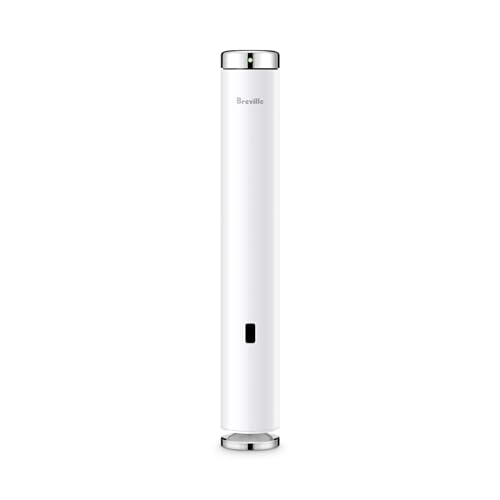
- Breville Joule Turbo — Best Compact, Powerful Option
Breville
Breville BSV600PSS Joule Turbo Sous Vide Machine, Polished Stainless Steel
- The Breville Joule Turbo Sous Vide cooker provides an automated cooking experience in your kitchen, powered by the Joule App; Powerful sous vide machine makes cooking easy, especially cooking meat; Put it on Autopilot and let it do all the work
- TURBO MODE: Precise results in half the time; Breville's sous vide machine has a new Turbo feature; Uses complex algorithms and powerful cloud computing to cook sous vide proteins, including delicious chicken, steak and fish, in half the time
- VISUAL DONENESS: Select desired doneness results before you begin cooking your culinary masterpiece; Setting options include Rare, Medium, Well Done, and everything in between; It's the quick, simple and reliable way to get started with sous vide cooking
- Greater Goods Precision Cooker — Best Smart Sous Vide (Wi-Fi / Bluetooth)

Greater Goods
Greater Goods Sous Vide Cooker, 1100W, No App or WiFi Needed (Onyx Black)
- Get Doneness Right: Take the guesswork out of medium-rare steaks, juicy chicken, tender fish, and more with precise control that keeps the water at your chosen temperature. With 1100W power for baths up to 15L, continuous circulation moves heated water throughout the container and around your food for steady, even heat from every direction.
- Twist, Press, Cook: Set temperature and time on the cooker with a simple twist and press of the single dial—no app, Wi-Fi, Bluetooth, accounts, or pairing required. A large, bright LED display sits at a 45° angle toward you, keeping your settings easy to see right from the counter without hovering over the pot.
- Precision You Can Fine-Tune: Choose any temperature from 68–203°F in 0.5°F increments, with easy °F/°C switching and a 0.1°F readout that tracks the water in real time. For home cooks who like to check for themselves, built-in calibration lets you fine-tune the reading against a trusted thermometer.
- Inkbird ISV-100W — Best Kit Value

Inkbird
NKBIRD WIFI Sous Vide Cooker ISV-100W, 1000 Watts Fast-Heating W/Free APP,Sous Vide Machine Immersion Circulator w/ 14 Free Preset Recipes, Thermal Immersion w/Smart Timer, Calibration Function
- WiFi & App Remote Control - Cook from Anywhere: Control your sous vide cooking remotely with ease. Once connected to your 2.4GHz WiFi network via the INKBIRD app, you can monitor the temperature, adjust settings, and start or stop your cook from anywhere-suitable for busy households and multitasking cooks
- Powerful & Ultra-Quiet Operation: The 1000W high-power heater ensures fast heating and maintains an even temperature for up to 15 liters of water. Despite its power, it operates quietly at less than 40dB, letting you cook overnight or during family time without disturbance
- Precise Control with Intuitive Touchscreen: Achieve optimal doneness every time with a wide temperature range (77-210F/25-99C) and remarkable 0.1C (0.2F) accuracy. Set precise cooking times up to 99 hours with the clear LCD touchscreen, making it easy for both beginners and experts
- Anova Precision Cooker Nano 2.0 — Best for Small Kitchens

Anova Culinary
Anova Culinary Sous Vide Precision Cooker Nano 2.0
- Perfect results every time: Never over or under cook your food again. The Anova Precision Cooker Nano circulates water at the exact temperature required for perfectly cooked meals, no matter what's on your menu..Temperature : 0˚-92˚C (32˚-197˚F) | +/- 0.1˚C (0.2˚F) accuracy.
- What to cook: Sous vide (pronounced “sue-veed”) cooking offers the perfect level of doneness for chicken, fish, vegetables, eggs, beef, lamb, pork, and more. The ability to lock in flavor and moisture during the cooking process results in texture and taste that is second to none.
- Small but mighty: The 12.8″ Anova Precision Cooker Nano stows away in any kitchen drawer next to the whisk and ladle, so your counters stay uncluttered and your favorite new cooking tool stays within reach. Nano easily attaches to any stock pot or container with a fixed clamp, and is constructed of super durable plastic that's easy to clean.
Comparison Table (Price, Wattage, Features, Pros & Cons)
| Model | Wattage | Connectivity | Typical Price | Pros | Cons |
|---|---|---|---|---|---|
| Anova Precision Cooker 3.0 | 1100W | Wi-Fi + App | $ | Class-leading accuracy, robust app, broad community | Bulkier clamp than Nano |
| Breville Joule Turbo | 1100W | Wi-Fi + App | $ | Fast heating, sleek footprint | No onboard display; app-dependent |
| Inkbird ISV-100W | 1000W | Bluetooth / App | $ | Great value kit, simple controls | More basic interface |
| Anova Nano 2.0 | 800W | Bluetooth / App | $ | Compact, beginner-friendly | Slower to heat large volumes |
| Greater Goods Precision Cooker | 1100W | Wi-Fi / Bluetooth | $–$ | Solid accuracy at a lower price | App is less polished than Anova |
Prefer a video overview? Watch this sous vide fundamentals walkthrough. Hunting for deals? Check out our curated list of the best sous vide cookers on Amazon.
Recommended Accessories for Sous Vide Beginners
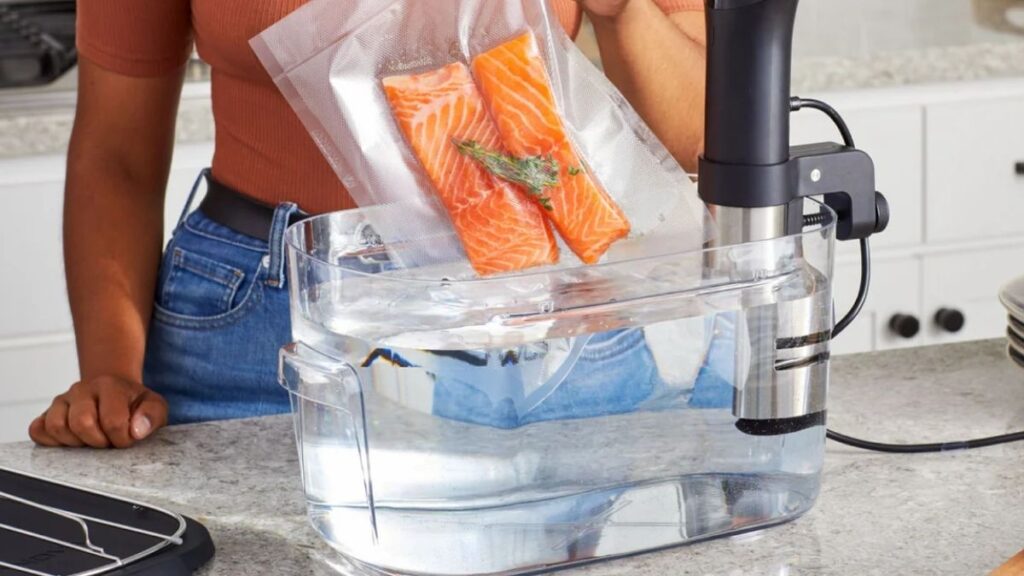
Best Sous Vide Containers & Lids
A rigid container with a fitted lid reduces evaporation and energy use. See Top picks in our Best Sous Vide Container guide.
Best Sous Vide Bags (Reusable vs. Disposable)
Reusable silicone bags are eco-friendly and sturdy; zipper freezer bags are convenient and inexpensive. For most beginners, zipper bags work perfectly.
Best Sous Vide Racks, Clamps & Vacuum Sealers
Racks keep bags submerged for even circulation; clamps prevent floaters from occurring. A basic edge sealer is optional but helpful for batch preparation.
Best Sous Vide Recipes for Beginners
5 Easy Starter Recipes
- Soft-set Eggs — 75°C (167°F) for 13 minutes
- Chicken Breast — 65°C (149°F) for 1.5 hours
- Salmon — 52°C (126°F) for 45 minutes
- Steak — 55°C (131°F) for 1 hour
- Tender Vegetables — 85°C (185°F) for ~30 minutes
Get step-by-step directions in our Beginner Sous Vide Recipes. Print a handy times chart here: Sous Vide Cooking Times (PDF). Want more reading? Try our best sous vide cookbooks.
Sous Vide Tips for Success
Common Mistakes to Avoid
- Using too small a pot (slow heating, big temperature swings)
- Letting bags float (trap air out; use racks or clips)
- Skipping the finish (always seek flavor and texture)
Safety and Food Storage Tips
Chill cooked foods quickly (ice bath) before refrigerating. Reheat gently to serving temp. Review the FDA’s safe food handling advice.
How to Get Perfect Texture Every Time
Match time and temp to your desired doneness, then dry the surface well and sear immediately in a hot pan or with a torch to develop a crisp crust.
Maintenance & Descaling for Long-Term Accuracy
Mineral buildup (scale) can insulate the heating element, reducing its accuracy. Every 4–8 weeks (more frequently with hard water), descale by running your circulator for 15–20 minutes in a bath of 1 part white vinegar to 3 parts water. Then, rinse and dry. Wipe the housing and check the impeller for debris. Store the unit upright to protect seals.
Regional Plug & Voltage Considerations
Buying outside the U.S.? Check plug type and voltage. The U.S. uses 120V; the UK/EU/AU commonly use 220–240V. Ensure your model is rated for your region or use a step-up/step-down transformer as recommended by the manufacturer. For UK shoppers, see our UK sous vide reviews.
Frequently Asked Questions
What’s the best sous vide brand for first-time users?
Anova and Breville Joule are top choices for accuracy and app support. For value, Inkbird is a strong choice for beginners.
How much should I spend on my first sous vide cooker?
$100–$200 balances accuracy, reliability, and support. Under $100 can work if you accept fewer features.
Do I need Wi-Fi control?
Wi-Fi is convenient for timers and notifications, but simple manual models are perfectly fine for beginners.
What about containers, lids, and bags?
Start with a stockpot and zipper freezer bags, then upgrade to a fitted container and reusable bags. See our container guide.
I live in the UK/Australia — are there any special considerations to note?
Yes—confirm plug type and 220–240V compatibility. Check local models in our UK sous vide reviews.
Final Thoughts
If you want a sure-thing starter, the Anova Precision Cooker 3.0 delivers pinpoint accuracy and a robust app. On a tighter budget, Inkbird ISV-100W is a stellar value that’s easy to use. Ready to level up your technique? Explore and Learn from Gordon Ramsay for pro-style finishing moves.