
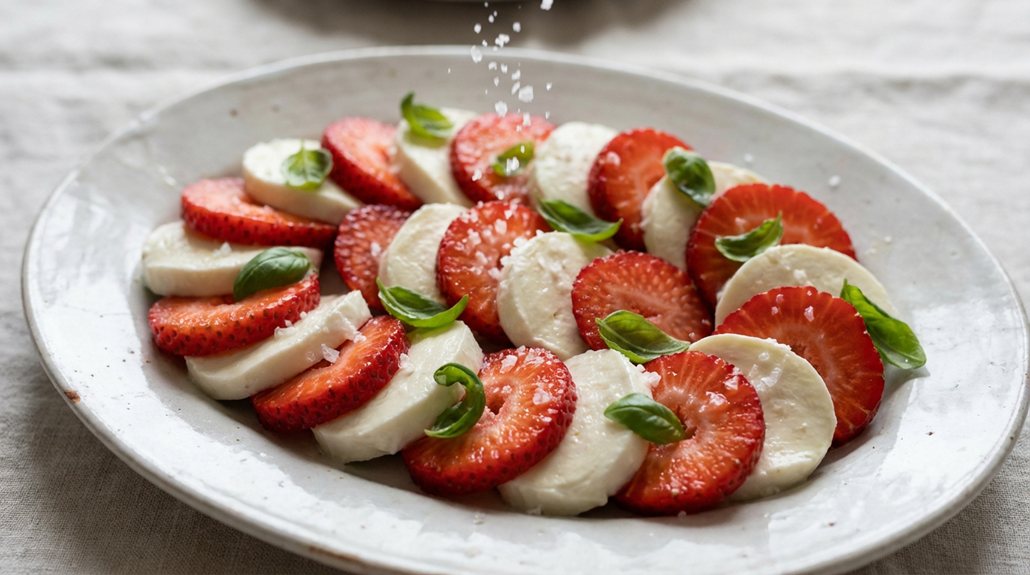

Some nights, the kitchen feels like enemy territory—no energy, no inspiration, just hunger. That’s when smart cooks rely on five battle-tested meals built for speed, not ceremony. Each one uses what’s on hand, demands little more than a pot, pan, or toaster, and delivers real flavor without fuss. These aren’t excuses for eating poorly: they’re precision moves disguised as simplicity. The best part? One might already be in your pantry.
Recipe Snapshot
- Upgrade instant ramen with sesame oil, soy sauce, and a soft-boiled egg for a flavorful meal in minutes.
- Assemble a no-cook bean and cheese wrap with canned beans, shredded cheese, and salsa in a tortilla.
- Top toasted bread with canned tuna mixed with mayo, lemon juice, and herbs for a protein-rich open-faced sandwich.
- Heat jarred pasta sauce with sautéed garlic and serve over quickly cooked pasta for a comforting dinner.
- Microwave a baked potato and top with leftover shredded chicken, cheese, and steamed veggies for a complete meal.
Upgrade Instant Ramen (No Extra Cooking)
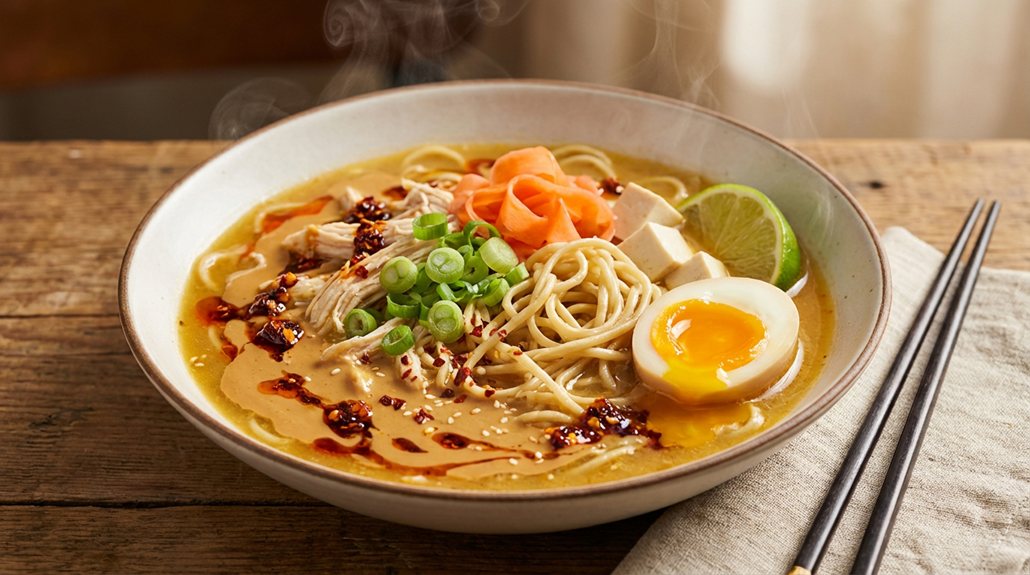
Instant ramen gets a bad rap for being bland and one-dimensional. Still, with a few simple improvements, it can transform into a satisfying, flavorful meal in minutes—no extra pots or prolonged cooking required. The key is leveraging ingredients that boost texture, depth, and nutrition without altering the core preparation method. By building on the existing broth and noodles, you can turn a five-minute staple into a dish that feels thoughtful and nourishing.
Instant ramen isn’t bland by nature—it’s a blank canvas. With smart, simple upgrades, it becomes a rich, nourishing meal in minutes.
These upgrades rely on pantry staples, fresh toppings, or refrigerated items you might already have on hand. Stirring in richness with peanut butter or miso, adding brightness with lime or vinegar, and finishing with crunchy or fresh elements like scallions or quick-pickled vegetables can mimic restaurant-quality depth. And since the base still cooks in one bowl, cleanup remains effortless.
- 1 pack instant ramen (any flavor)
- 1 teaspoon sesame oil
- 1 tablespoon creamy peanut butter or white miso paste
- 1 teaspoon soy sauce
- 1/2 teaspoon rice vinegar or lime juice
- 1 soft-boiled or microwaved egg
- 1/4 cup shredded cooked chicken, tofu, or canned chickpeas (optional)
- 2 tablespoons sliced scallions
- 1 tablespoon pickled ginger or quick-pickled vegetables
- Crushed red pepper flakes or chili crisp (to taste)
After breaking up the noodles into your bowl, pour in boiling water up to the fill line and let them steep for 3 minutes. While the noodles soften, stir in the sesame oil, peanut butter (or miso), soy sauce, and rice vinegar directly into the hot broth.
Once the noodles are tender, mix thoroughly to emulsify the added ingredients into the broth, then top with the halved egg, protein of choice, scallions, pickled ginger, and a sprinkle of chili crisp or red pepper flakes.
For the best results, resist the urge to discard the seasoning packet—use it as a flavor foundation, then build over it. Microwaving the egg beforehand saves time: crack it into a small microwave-safe bowl, cover with water, and heat on high for 1 minute for a jammy center.
If using peanut butter, stir vigorously to prevent clumping. Fresh lime wedges on the side brighten the dish just before eating, and a spoonful of hoisin or sriracha can add sweet-heat complexity with zero effort.
Roll a No-Cook Bean & Cheese Wrap
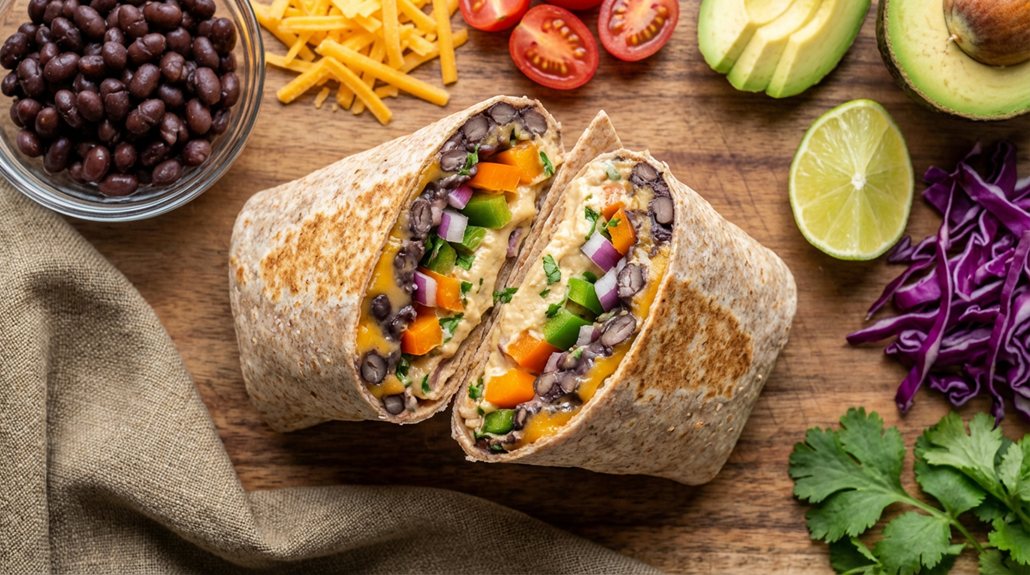
When time is tight and hunger strikes, a no-cook bean and cheese wrap is the perfect emergency dinner—quick to assemble, satisfying, and packed with protein and fiber. Using pantry staples and a few fresh additions, this wrap comes together in minutes without turning on the stove.
It’s ideal for exhausted weeknights, lazy weekends, or when you don’t feel like cooking but still want something wholesome and filling.
The beauty of this wrap lies in its versatility. You can customize it with your favorite beans, cheese, and add-ins like salsa, lettuce, or avocado. Whether you prefer whole wheat, spinach, or gluten-free tortillas, the base remains the same: creamy beans, melty cheese, and a little crunch for texture.
It’s a balanced meal that travels well and can even be prepped ahead for busy days.
- 1 cup canned black beans, drained and rinsed
- ½ cup shredded cheddar cheese (or pepper jack for heat)
- 1 large flour tortilla (10-inch)
- 2 tablespoons hummus or mayonnaise
- ¼ cup diced bell peppers (any color)
- 2 tablespoons chopped red onion
- 2 tablespoons chopped fresh cilantro (optional)
- 1 tablespoon lime juice
- Hot sauce or salsa (optional)
Lay the tortilla flat and spread hummus or mayonnaise evenly over the surface, leaving a 1-inch border. In a bowl, gently mix the beans, cheese, bell peppers, red onion, cilantro, and lime juice.
Season lightly with salt if desired. Spoon the mixture onto the center of the tortilla, spreading it in a horizontal line. Add hot sauce or salsa if using. Fold in the sides of the tortilla, then roll tightly from the bottom to enclose the filling.
For the best texture, use a hearty tortilla that won’t tear when rolled. If you plan to eat it later, wrap it in parchment paper or foil to hold its shape and prevent sogginess. Adding a crisp lettuce leaf or shredded cabbage can enhance crunch.
Leftover wraps can be stored in the fridge for up to 24 hours, but are best enjoyed fresh.
Make Fast Pasta With Jarred Sauce
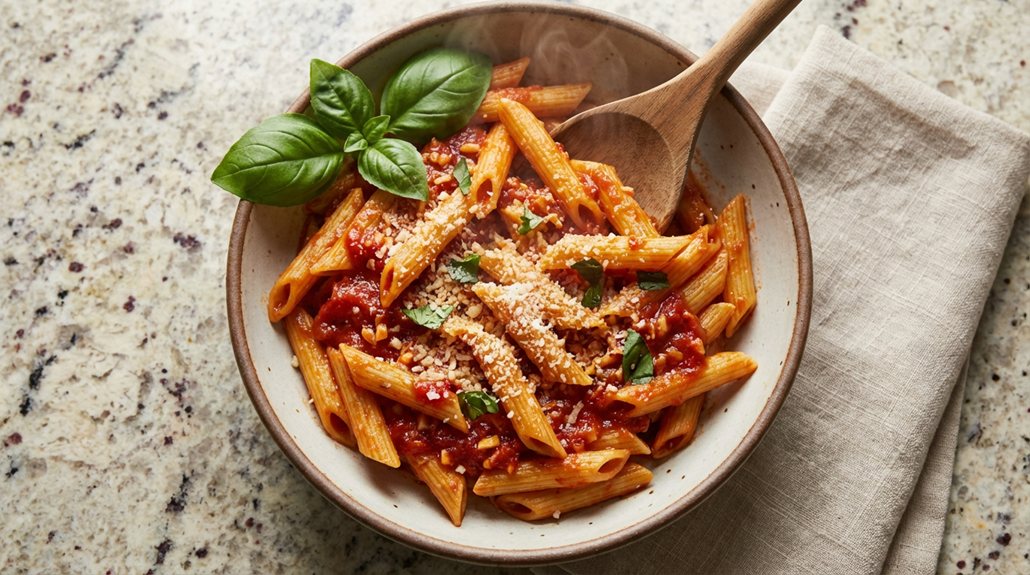
Pasta with jarred sauce is a lifesaver on busy nights when you need something delicious in minutes. The key to boosting a simple jarred sauce lies in how you prepare and finish it, transforming it from basic to restaurant-quality with minimal effort. By taking a few extra steps—like seasoning, simmering, and adding simple improvements—you can make a meal that tastes thoughtfully made, not just hastily assembled.
Start with a good-quality pasta shape that holds sauce well, like penne, fusilli, or spaghetti. While the pasta cooks, take the time to heat the sauce gently and build flavor by sautéing aromatics or stirring in extras like Parmesan, olive oil, or fresh herbs. Don’t just dump and heat—treat the sauce like a base you’re customizing for your taste.
- 8 oz dried pasta (penne, spaghetti, or your choice)
- 2 cups water (for cooking pasta)
- 2 tablespoons olive oil
- 2 cloves garlic, minced
- 1 jar (24 oz) marinara or pasta sauce
- Salt and pepper to taste
- 1/4 cup grated Parmesan cheese
- Fresh basil or parsley, chopped (optional)
Bring a large pot of salted water to a boil and cook the pasta according to package directions until al dente. While the pasta cooks, heat olive oil in a saucepan over medium heat, add garlic, and sauté until fragrant (about 30 seconds).
Pour in the jarred sauce, stir, and let it simmer gently for 5–7 minutes to deepen the flavor. Drain the pasta, reserving 1/4 cup of cooking water, then add the pasta directly to the sauce. Toss well, adding a splash of reserved water if needed to loosen the sauce. Stir in Parmesan and season with salt and pepper. Garnish with fresh herbs if desired and serve immediately.
Use high-quality jarred sauce—look for one with simple ingredients and no added sugar or preservatives. For extra richness, stir in a splash of heavy cream, a pat of butter, or a drizzle of olive oil at the end.
Always taste and adjust seasoning, as jarred sauces vary in saltiness. Leftover sauce can be stored in the fridge for up to a week or frozen for later use.
Top Toast With Canned Tuna
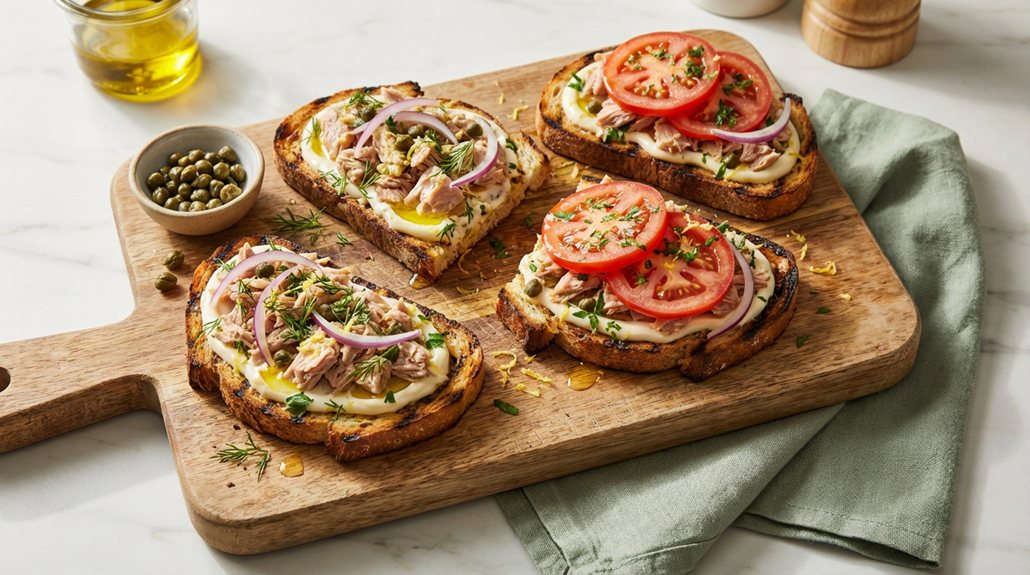
On nights when time is short and energy is low, a simple topping of canned tuna on toasted bread can be a saving grace. This quick dish transforms humble pantry staples into a satisfying meal with minimal effort. The briny richness of the tuna pairs perfectly with a crisp, golden slice of toast, creating a foundation that’s both comforting and nourishing.
A humble slice of toast topped with canned tuna becomes a comforting, nourishing meal with minimal effort and maximum flavor.
Customization is key—add a squeeze of lemon, a scattering of herbs, or a smear of mayonnaise for extra creaminess. Though modest in appearance, this dish draws inspiration from European coastal traditions where tinned fish is celebrated for its flavor and convenience. With a few improvements, it becomes an emergency dinner that feels intentional and complete.
- Canned tuna (in water or oil), drained
- Slices of bread (sourdough, whole grain, or your preference)
- Mayonnaise (optional)
- Lemon juice
- Salt
- Black pepper
- Fresh herbs (parsley, dill, or chives), chopped
- Optional additions: sliced tomato, red onion, capers, hot sauce
Toast the bread until golden and crisp. While warm, lightly spread with mayonnaise if using. Flake the drained tuna over the toast, then season with a squeeze of lemon juice, salt, pepper, and a sprinkle of fresh herbs.
Add any optional toppings like tomato slices, red onion, or capers for extra texture and flavor. Serve immediately while the toast is still crisp.
For best results, use high-quality canned tuna—preferably packed in olive oil for richer flavor. If the toast becomes soggy, consider layering tuna over a base of mashed avocado or cream cheese to create a moisture barrier.
Leftover tuna mix can be prepared ahead and stored for quick assembly, making this dish ideal for meal prep on busy days.
Bake a Potato (Then Top It Fast)
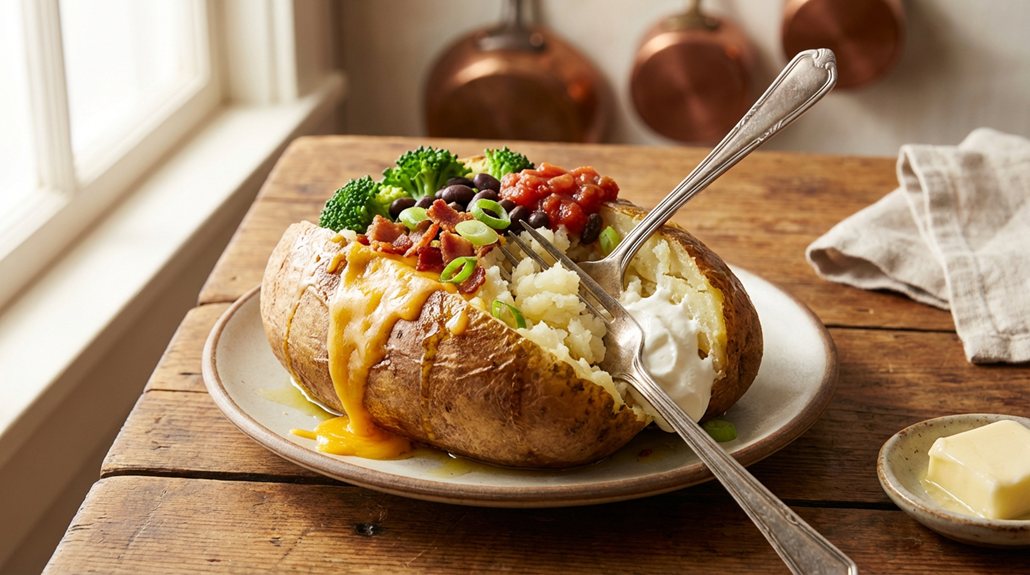
Baking a potato is one of the fastest, most reliable ways to put a satisfying, hearty meal on the table with minimal effort. While it may seem too simple to qualify as dinner, a perfectly baked potato becomes a blank canvas for endless flavor combinations, turning humble ingredients into a filling meal in under an hour.
Whether you’re feeding one or several, this method delivers tender, fluffy insides with a crisp outer skin that holds up to even the heftiest toppings.
Start by choosing the right potato—russets are ideal due to their high starch content and fluffy texture when baked. For speed and consistency, the oven is your best bet, though a microwave can provide a head start if needed. Once the potato is cooked through, slit it open, fluff the interior, and layer on nutritious, flavorful toppings that turn this simple base into a well-balanced dinner.
- 1 large russet potato
- 1 teaspoon olive oil (optional)
- 1/4 teaspoon salt (plus more to taste)
- Toppings of choice (e.g., shredded cheddar, sour cream, chopped green onions, cooked bacon, steamed broccoli, black beans, salsa)
Preheat the oven to 400°F (200°C). Scrub the potato clean, pierce it 3–4 times with a fork, and optionally rub with olive oil and salt for a crispier skin.
Place it directly on the center oven rack or on a baking sheet and bake for 45–60 minutes, depending on size, until the skin is crisp and the inside gives easily when squeezed. Remove from the oven, carefully slice open, fluff the flesh with a fork, and add your desired toppings while hot.
For faster cooking, microwave the potato on high for 5 minutes before finishing in the oven—this cuts baking time nearly in half while preserving texture. Be sure to let the potato rest for a couple of minutes after cooking to make handling safer and fluffing easier.
Leftover baked potatoes can be refrigerated and reheated, but toppings should be added fresh to maintain texture and flavor.
Dinner Solved for the Week
Some nights call for effort. These are not those nights. These five emergency dinners prove that good food doesn’t require motivation, time, or a clean sink—just a few smart moves and ingredients you already trust. Each recipe meets you where you are: tired, hungry, and unwilling to compromise on flavor. Whether it’s upgraded ramen, a no-cook wrap, or a loaded potato, these meals exist to keep you fed, steady, and out of decision fatigue. Keep them in your back pocket. You won’t need them every night—but when you do, they’ll show up.