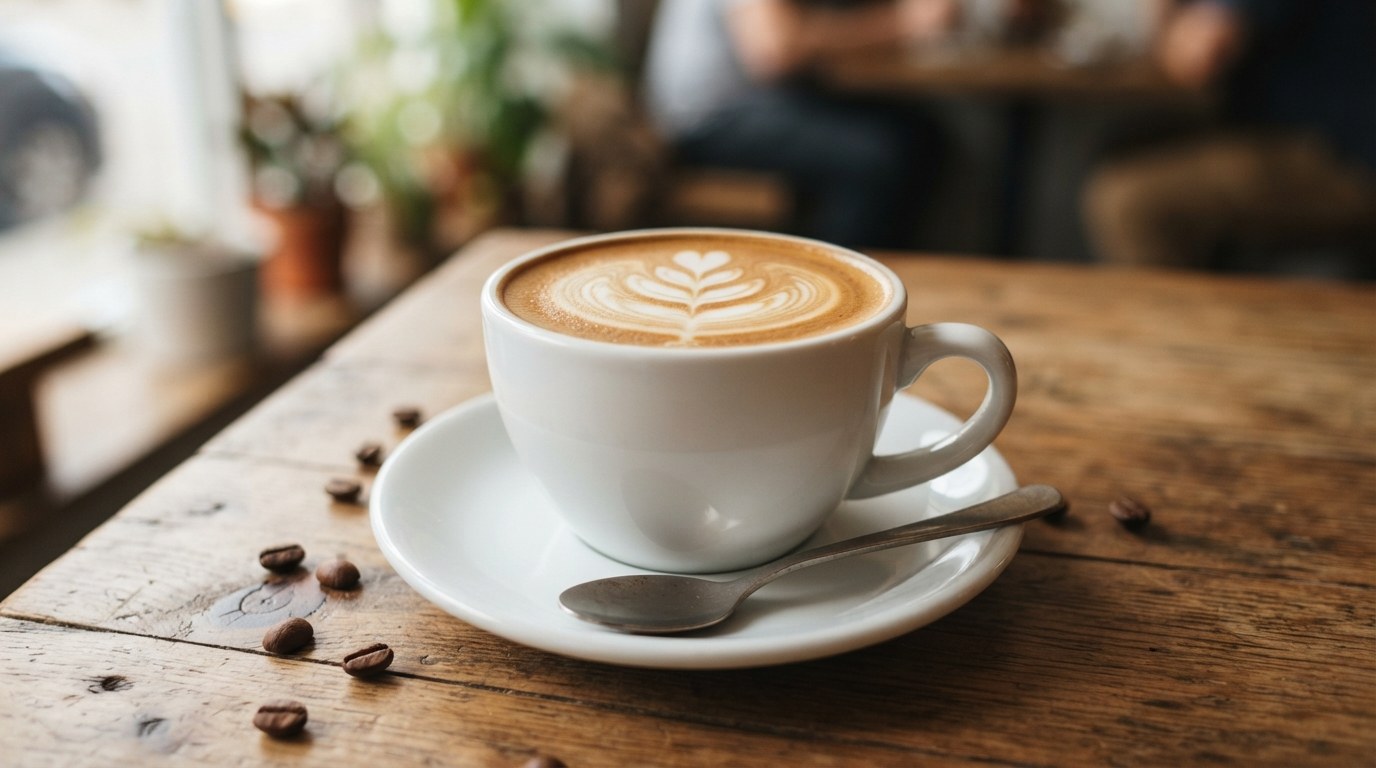
The best coffee brewing temperature is 195–205°F (90.5–96°C), the range the Specialty Coffee Association and the National Coffee Association both point to for full, balanced extraction. Go hotter and you scorch the grounds; go cooler and the cup turns thin and sour. But temperature is only one lever, and hotter is not automatically better. The same obsession with precise heat that runs a professional kitchen is what separates a flat morning cup from a great one.
Cosori
Cosori Gooseneck Electric Kettle with Temperature Control, 0.8L, Black
- Set-and-hold temperature control, so you can dial in the 195–205°F brewing window instead of guessing
- Gooseneck spout for the slow, precise pour that even extraction needs
- 0.8L capacity sized for pour-over and small-batch brewing
What temperature should you brew coffee?
Brew coffee with water between 195°F and 205°F (about 90.5–96°C). That is the window both the Specialty Coffee Association’s Golden Cup standard and the National Coffee Association recommend, and it is a deliberate step back from boiling. Water boils at 212°F (100°C); pour that straight onto grounds and you push extraction too far, pulling out the harsh, bitter compounds along with the good ones. The sweet spot sits just below the boil: hot enough to dissolve the flavors you want, restrained enough to leave the bitterness behind.
Why brewing temperature changes the flavor
Brewing is extraction: hot water dissolves soluble compounds out of the ground coffee, and it does so in a rough order: bright acids first, then the sugars and caramel notes, then the heavier, bitter compounds last. Temperature controls how fast that happens. Hotter water adds energy to the system and speeds extraction; cooler water slows it down.
Advertisement
That is why the range matters in both directions. Below about 195°F the water never pulls enough from the grounds, and the cup comes out under-extracted: sour, weak, and watery. Push past 205°F and extraction runs long, dragging out the bitter compounds and leaving the coffee over-extracted: harsh and burnt-tasting. The goal is to stop in the balanced middle, and heat is the dial that gets you there. It is the same principle behind every temperature-sensitive technique in the kitchen; our cooking techniques guides lean on the same cause and effect.
Temperature is powerful, but it is not the only variable. Grind size (finer grounds extract faster), brew time, the coffee-to-water ratio, and even the roast all move the result too. A light, dense, high-elevation roast needs more aggressive extraction than a dark roast. Dial the heat into range first, then adjust grind and time to taste.
Coffee brewing temperature by method (chart)
Most hot-brew methods land in the same 195–205°F window, but a few have their own quirks. Use this coffee brewing temperature chart as a quick reference by method.
| Brew method | Water temperature | Celsius | Notes |
|---|---|---|---|
| Drip / automatic | 195–205°F | 90.5–96°C | The SCA Golden Cup target; many cheaper machines fall short |
| Pour-over | 195–205°F | 90.5–96°C | Off-boil water; lighter roasts favor the hotter end |
| French press | 195–200°F | 90.5–93°C | Long steep, so slightly cooler avoids over-extraction |
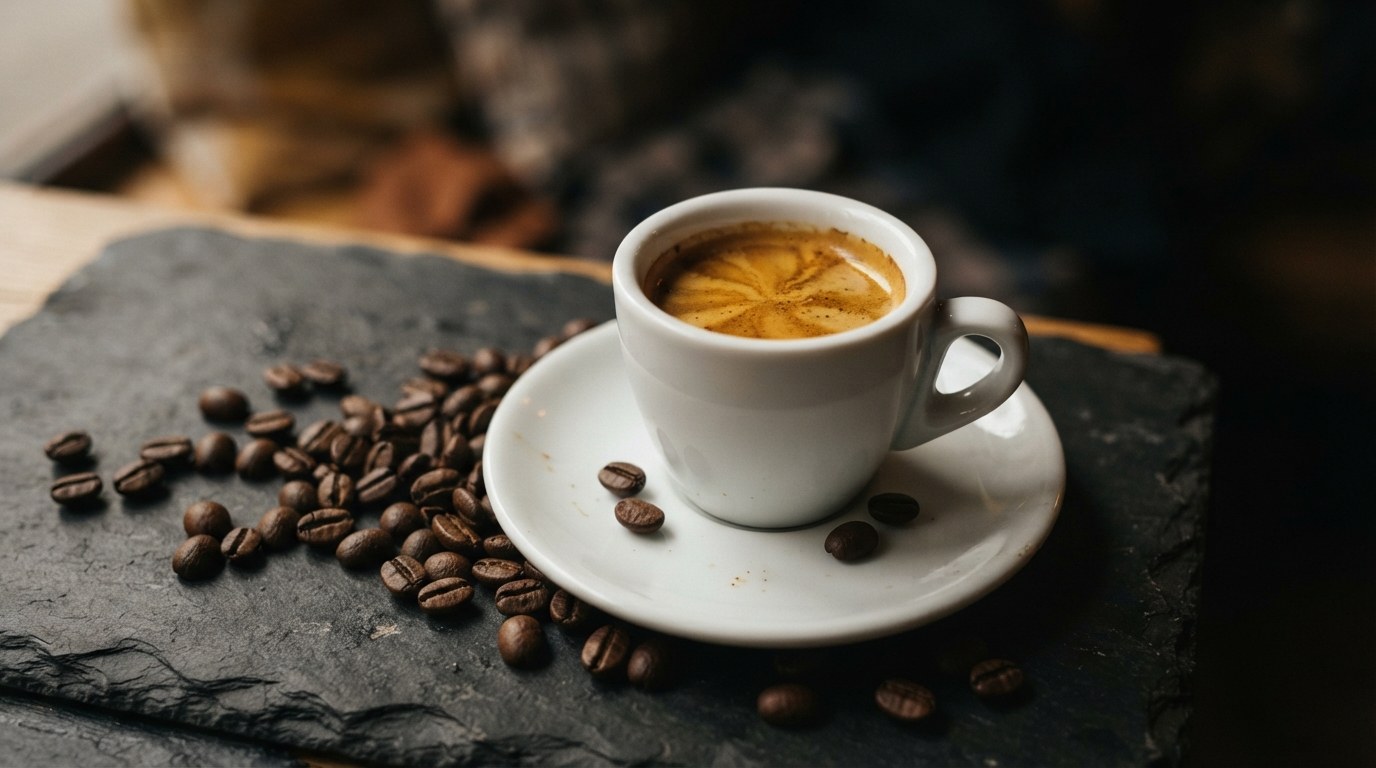
| Espresso | ~200°F | ~93°C | Short, high-pressure shot leans on heat for extraction |
| AeroPress | 175–205°F | 80–96°C | Flexible; cooler water tames acidity in light roasts |
| Cold brew | Room temp / cold | — | No heat; time replaces temperature (12–24 hrs) |
The pattern is clear: nearly every hot method wants that just-off-boil range, and only long steeps (French press) or no-heat methods (cold brew) step away from it. Ranges reflect published SCA and method guidance, not a single fixed number.
Why your home coffee maker might brew too cold
Here is the catch most people never check: a lot of home drip machines never reach 195°F. Budget automatic brewers routinely deliver water in the 180s, which under-extracts every cup no matter how good the beans are. That is the reason a bag of great coffee can still taste flat at home. The machine, not the coffee, is the weak link.
Advertisement
That is exactly why the Specialty Coffee Association runs a Certified Home Brewer program: it tests machines against the Golden Cup standard — correct brew temperature, contact time, and even saturation — and certifies only the ones that hit it. If a drip machine carries that certification, it is holding the 195–205°F range for you automatically.
Coffee makers that actually brew hot enough
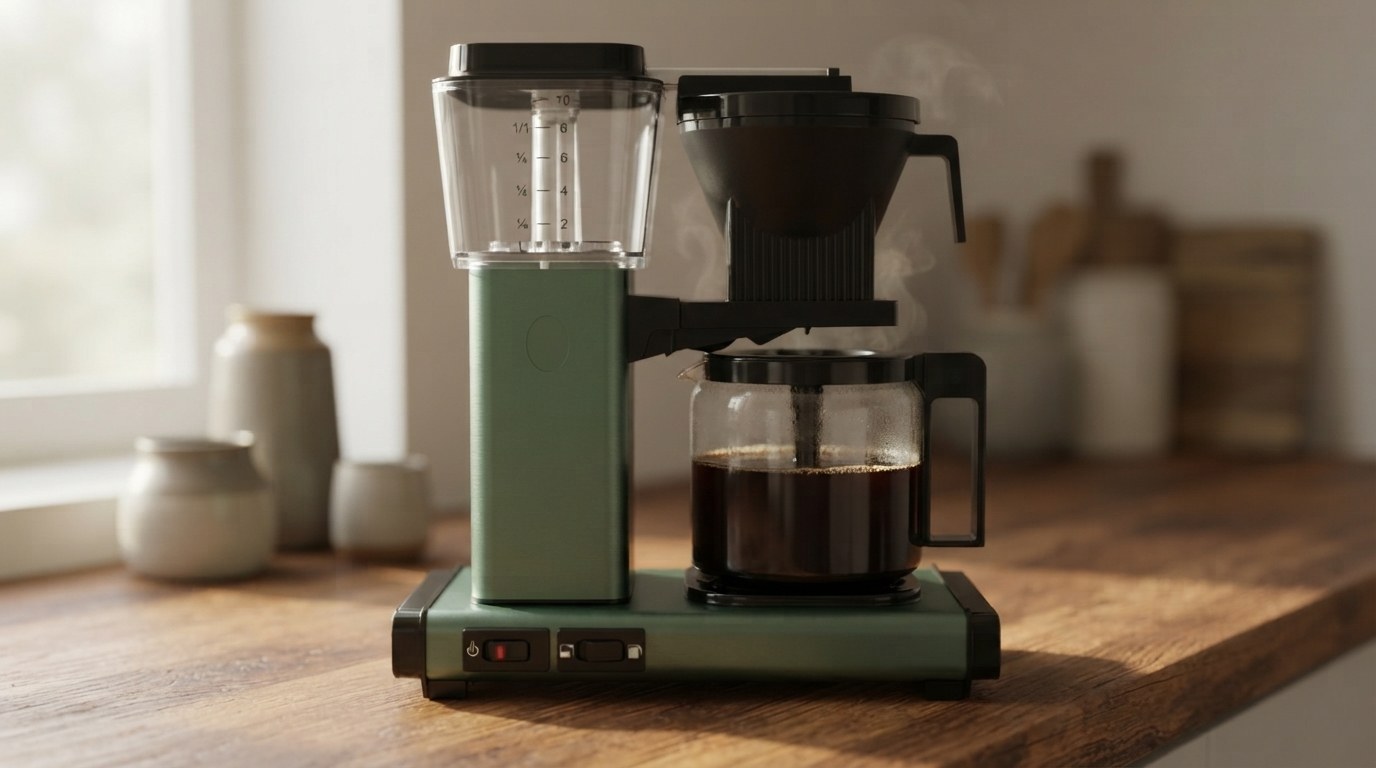
If your current machine brews weak, the fix is a brewer built to hold temperature. A handful of automatic drip makers carry the SCA’s Certified Home Brewer approval, meaning they are independently verified to brew in the correct 195–205°F range, the same standard used to judge a café pour.
- The Technivorm Moccamaster is the long-standing benchmark. Its hand-built copper heating element pulls water into the 196–205°F band, and it has been SCA-certified for years.
- The Breville Precision Brewer earns the certification with adjustable temperature control, so you can push toward the hotter end for lighter roasts.
- The OXO Brew 9-Cup is the value pick: a microprocessor holds the SCA-certified brew range in a compact, accessible package.
Any of the three takes the temperature guesswork out of the morning. For the rest of the counter, our kitchen gear guides cover the tools that matter, and if you blend as much as you brew, the best Vitamix blenders round-up is the companion piece.
How to brew hotter (and better) at home
You do not always need a new machine. If you brew by hand, a few habits pull your water into range and keep it there:
Advertisement
- Take the kettle off the boil. Let boiling water rest about 30 seconds before pouring — it settles from 212°F to roughly 200°F, right in the window. A variable-temperature kettle removes the guesswork entirely.
- Preheat everything. Rinse the pour-over dripper, French press, or carafe with hot water first. Cold glass and ceramic steal heat from the brew the instant water hits.
- Bloom the grounds. Pour a little hot water to wet the coffee and wait 30–45 seconds before the full pour; it lets trapped gas escape so the water extracts evenly.
- Descale on schedule. Mineral scale insulates a machine’s heating element and drags brew temperature down over time — the same reason a neglected brewer slowly makes weaker coffee.
FAQ: Coffee Brewing Temperature
What is the ideal temperature to brew coffee?
195–205°F (90.5–96°C). Both the Specialty Coffee Association and the National Coffee Association recommend this range for balanced extraction across drip, pour-over, and espresso.
Can you brew coffee with boiling water?
You can, but it is not ideal. Boiling water (212°F) tends to over-extract and scorch the grounds, pulling out bitter compounds. Let a boiled kettle sit about 30 seconds so it drops to roughly 200°F before pouring.
Is 200°F too hot for coffee?
No. 200°F sits right inside the recommended 195–205°F range and is a common target for pour-over and espresso. The line to avoid crossing is the boil at 212°F.
What temperature should pour-over coffee be?
195–205°F, with lighter roasts favoring the hotter end for fuller extraction. Off-boil water, poured about 30 seconds after the kettle stops, lands you there.
Why does my home coffee maker make weak coffee?
Often because it never reaches 195°F. Many budget drip machines brew in the 180s, which under-extracts every cup. A brewer with SCA Certified Home Brewer approval is verified to hold the correct temperature.
The bottom line on coffee brewing temperature
Brew between 195°F and 205°F and most of the work is done: hot enough for full extraction, cool enough to leave the bitterness behind. Hotter is not better past 205°F, and boiling water works against you. If your coffee tastes flat, check the machine’s temperature before you blame the beans. An SCA-certified brewer, or just an off-boil pour into a preheated dripper, is usually the difference between a sour cup and a genuinely good one.
Advertisement

About the Author
John Siracusa is the founder of Hell’s Kitchen Recipes. He focuses on technique-first, reproducible home cooking and researches recipes & kitchen equipment from published food science and professional chef methods since 2016.